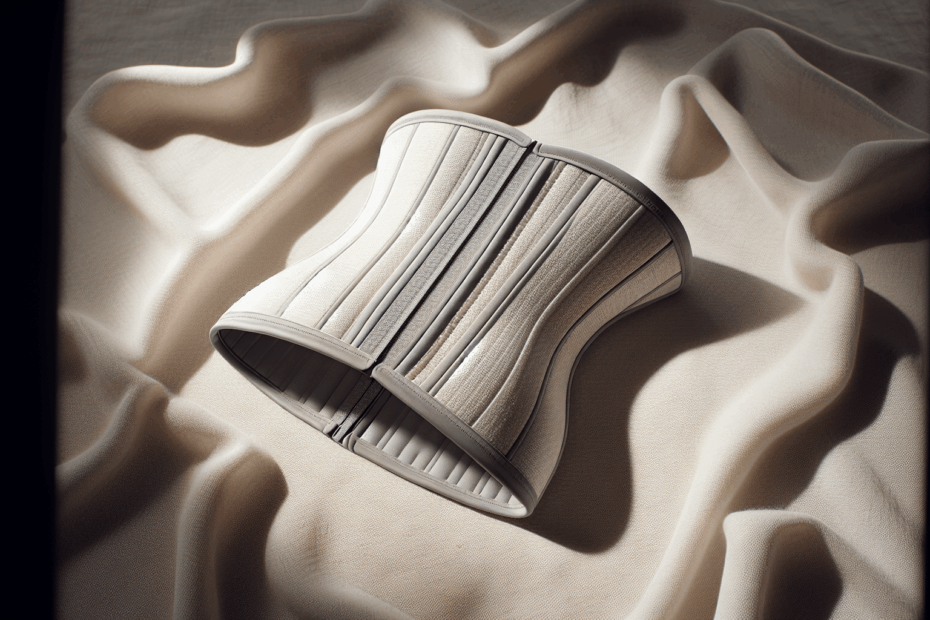
What if you could achieve a more sculpted waistline while also working toward your weight loss goals? The journey to a healthier you can be accompanied by various methods, and waist training is one that many individuals consider. Let’s start unpacking what waist training is all about and what you can realistically expect along the way.
Understanding Waist Training
Waist training involves using a corset or waist trainer to create compression around your midsection. This practice has roots in history, where fashion dictated a more defined waist. Today, many turn to waist training not just for aesthetic reasons, but also as part of a holistic weight-loss strategy.
The objective of waist training is to reshape your waistline and achieve a more hourglass figure over time. It is essential to recognize that waist training is not a magic solution for weight loss. Instead, think of it as a complementary practice to a balanced diet and regular exercise.
How Waist Training Works
The Mechanics of Waist Trainers
Waist trainers are typically made of flexible materials that provide significant compression. Here’s how they generally work:
- Compression: When you wear a waist trainer, it applies pressure to your waist and abdomen. This compression can create a temporary reduction in waist size.
- Postural Support: Waist trainers can encourage better posture by providing support to your back and core. With consistent use, some people find themselves standing taller.
- Sweating: Wearing a waist trainer during workouts can lead to increased sweating around your midsection, potentially enhancing the feeling of a “shredded” look, although this is mainly water weight.
Setting Realistic Expectations
While waist training can create a more defined waistline under certain conditions, it’s crucial to manage your expectations. Here are a few reality checks:
- Temporary Results: The immediate effects of waist training are often temporary. If you take off the trainer, your waist will return to its usual size.
- Not for Everyone: Not everyone will have the same experience. Body types, size, and personal comfort levels all play significant roles in how effective and enjoyable waist training can be.
- Incorporate Healthy Habits: For best results, pair waist training with a healthy diet and a regular exercise routine. Relying solely on waist trainers won’t provide sustainable weight loss.
Choosing the Right Waist Trainer
Types of Waist Trainers
There are several types of waist trainers available, each designed for different purposes. Here’s a simplified breakdown:
| Type | Purpose | Best For |
|---|---|---|
| Traditional Corsets | Fashion and shaping; often less flexible | Special occasions |
| Latex Waist Trainers | Focused on daily wear and workouts | Regular use during exercise |
| Non-structured Belts | Light compression for casual wear | General lifestyle |
It’s essential to choose a waist trainer that fits your needs while also being comfortable. You shouldn’t feel restricted to the point of discomfort when wearing one.
Sizing and Fit
Finding the right size is crucial. A well-fitting waist trainer should feel snug but not painfully tight. Follow these guidelines:
- Measure Your Waist: Use a measuring tape to determine your waist size. This will help you choose a trainer that fits appropriately.
- Check the Fit: You should be able to breathe comfortably while wearing it. If it’s squeezing you too tightly, consider a larger size.
Incorporating Waist Training into Your Routine
Timing and Frequency
When you begin waist training, take time to ease into it. Here are some tips to help you incorporate this practice into your daily routine:
- Start Slowly: Wear your waist trainer for a couple of hours a day and gradually increase the time as you become accustomed to it.
- Activity Level: Consider wearing your waist trainer during workouts. This can help you maximize the benefits while also supporting your posture.
Listening to Your Body
While many people enjoy waist training, it’s essential to pay attention to how your body reacts:
- Discomfort Levels: If you experience pain or difficulty breathing, it’s crucial to remove the trainer immediately.
- Skin Care: Ensure you’re monitoring your skin for irritation. Some may experience chafing from prolonged wear.
Benefits of Waist Training
Support for Weight Loss Goals
Waist training can serve as a motivational tool. Here’s how:
- Boosted Confidence: Seeing your waistline transform can actually motivate you to stick with your diet and exercise plan.
- Visual Reminder: Wearing a waist trainer can serve as a constant reminder of your goals, keeping you focused.
Improved Posture
Using a waist trainer can also promote better posture, which might help alleviate back pain and contribute positively to your overall physical well-being.
Potential Risks and Considerations
Safety First
While many people find waist training beneficial, it’s critical to understand potential risks:
- Breathing Issues: A too-tight waist trainer can restrict breathing. Always prioritize comfort and safety.
- Digestive Concerns: Excessive compression can potentially lead to digestive issues or acid reflux.
Not a Long-term Solution
Waist training should ideally be viewed as a temporary tool. Sustainable weight loss calls for long-term lifestyle changes involving diet and exercise.
Complementing Waist Training with a Healthy Lifestyle
Diet and Nutrition
Adopting a balanced diet is essential for weight loss. Here are a few tips to help you combine waist training with healthy eating:
- Eat Whole Foods: Focus on whole, unprocessed foods, such as fruits, vegetables, lean proteins, and whole grains.
- Stay Hydrated: Drinking plenty of water can support your metabolism and help you feel full.
- Post-Workout Nutrition: Refuel your body after workouts with nutritious snacks or meals.
Exercise Regimen
Incorporate a diverse exercise routine that includes:
- Cardiovascular Workouts: Running, cycling, or swimming burns calories and promotes heart health.
- Strength Training: Lifting weights or performing body-weight exercises can help build muscle, which increases your resting metabolic rate.
- Core Workouts: Focus on exercises that strengthen your core, such as planks and abdominal crunches, to complement the waist-cinching effects of your trainer.
Tracking Your Progress
Keeping a Journal
Maintain a journal to track your waist training journey. This can assist you in noting:
- Measurements: Document your waist measurements weekly.
- Physical Changes: Make notes about how your body feels and any changes you notice.
Celebrate Milestones
Recognize and celebrate your achievements, no matter how small. This could be a fitting into a dress that was once too tight, or simply feeling healthier in your body.
Community and Support
Finding a Support System
Consider engaging with a community of like-minded individuals. Connecting with others on similar journeys can provide motivation and accountability.
- Join Online Forums: Thousands of people discuss their experiences with waist training online. Learning from their stories can be a huge benefit.
- Seek Professional Advice: Don’t hesitate to consult fitness trainers or nutritionists for personalized guidance.
Sharing Your Journey
Whether through social media or in-person discussions, sharing your results can inspire others while also creating a sense of accountability for yourself. This sense of community can help you remain motivated throughout your waist training journey.
Conclusion
As you consider adding waist training to your weight loss journey, remember that it’s about more than just aesthetics. Feeling good in your skin is essential, and waist training can provide support and motivation along the way. However, maintain a balanced perspective by combining it with healthy dietary choices and regular physical activity.
Remember, every body is unique. What works for someone else may not work for you, so take your time and find the approach that feels best. If you’re consistent and patient with both waist training and healthy habits, you may just find the transformation you’re seeking.
So, are you ready to embark on this journey? Embrace the process and enjoy the supportive role that waist training can serve in your overall wellness goals. The journey is as important as the destination, and with the right mindset and approach, you can achieve your desired outcomes.
Related posts:
 How Long Should You Wear Shapewear for Effective Weight Loss?
 How to Use Shapewear for Effective Weight Loss Results
Shapewear vs. Waist Trainers: A Comparison for Weight Loss
How to Use Shapewear for Effective Weight Loss Results
Shapewear vs. Waist Trainers: A Comparison for Weight Loss
 Shapewear for Men: Exploring Its Impact on Weight Loss
Can Shapewear Really Help with Weight Loss? The Truth Revealed
Shapewear for Men: Exploring Its Impact on Weight Loss
Can Shapewear Really Help with Weight Loss? The Truth Revealed
 Does Sweating in Shapewear Really Help Burn More Calories?
 Shapewear vs. Corsets: Exploring the Benefits for Long-Term Weight Loss
 Shapewear for Weight Loss: Celebrity Secrets Revealed