
Have you ever wondered about the difference between waist trainers and corsets? Many people find themselves confused as they look for the perfect waist-slimming solution. Understanding their unique features can help you make an informed decision.
Understanding Waist Trainers
Waist trainers have gained immense popularity in recent years, often touted by celebrities and influencers on social media. But what exactly are waist trainers, and how do they work?
What is a Waist Trainer?
A waist trainer is typically a type of garment made from a combination of stretchy, breathable materials, often featuring a series of hooks or a zipper. These trainers are designed to fit snugly around your midsection, providing compression to your waist.
Purpose and Benefits
The primary goal of a waist trainer is to create the appearance of a smaller waistline. Many wearers claim that regular use can help promote weight loss, improve posture, and enhance a woman’s silhouette. However, it’s essential to remember that these benefits vary from person to person.
How to Use a Waist Trainer
If you decide to give waist training a try, it’s crucial to use the garment correctly for the best results:
-
Choose the Right Size: Ensure that your waist trainer fits snugly but is not overly restrictive. You should be able to breathe and move comfortably.
-
Start Gradually: Begin by wearing your waist trainer for just a couple of hours each day, gradually increasing the time as your body adjusts.
-
Stay Hydrated: Drink plenty of water to prevent dehydration, especially since waist trainers can induce sweating.
-
Exercise: Incorporate physical activity into your routine while wearing the waist trainer for maximum effectiveness.
Possible Drawbacks
Despite its benefits, waist training is not without its downsides. Some users may experience discomfort, gastrointestinal issues, or skin irritation. It’s essential to be aware of these potential drawbacks before committing to waist training.
Unpacking Corsets
Corsets, on the other hand, have a long and storied history. Often associated with vintage fashion and trends, corsets can sometimes be confused with waist trainers. Let’s clarify what corsets are all about.
What is a Corset?
A corset is a structured garment designed to shape and support the body, particularly the waist and bust. Unlike waist trainers, corsets are traditionally made from firmer materials, often including steel boning for support and structure.
Historical Context
Corsets have been around for centuries, dating back to the early 16th century. Initially, they were used to create an hourglass figure, which was highly desirable at various points in history. Nowadays, corsets are often seen in fashion shows and vintage clothing collections, representing a mix of style and functionality.
Purpose and Benefits
Corsets provide more than just waist slimming. Their benefits include providing core support, improving posture, and enhancing your overall silhouette. Many women find that wearing a corset can help with back pain due to the additional support it offers.
How to Use a Corset
Wearing a corset also requires some knowledge to make sure you do it right. Here are a few tips:
-
Measure Yourself: Take your measurements before purchasing a corset to ensure you get the right fit. The right size is crucial for comfort and effectiveness.
-
Lacing Up: When putting on a corset, start with the laces loosened. Gradually tighten them, starting from the top and working your way down to avoid discomfort.
-
Breathing Space: Ensure that you can breathe comfortably. A corset should feel snug, but not overly tight.
-
Timing: Start slow by wearing your corset for short periods and gradually increase the duration as you become more accustomed.
Possible Drawbacks
While corsets offer a classic, elegant appeal, there are potential issues including discomfort and difficulty breathing if laced too tightly. Additionally, long-term use can lead to weakened core muscles, so it’s essential to take breaks and not rely on the corset exclusively.
Waist Trainers vs. Corsets: Key Differences
Now that you have an understanding of both garments, let’s compare them directly to identify the key differences.
Material
| Feature | Waist Trainer | Corset |
|---|---|---|
| Material | Stretchy, breathable fabric | Firmer materials, often with steel boning |
| Comfort Level | Generally more comfortable due to flexibility | Can be restrictive depending on tightness |
Both waist trainers and corsets have distinct materials impacting their comfort and effectiveness.
Structure
| Feature | Waist Trainer | Corset |
|---|---|---|
| Structure | Flexible and lightweight | Structured with boning |
The structural differences can affect how each garment shapes your body and offers support.
Intended Use
| Feature | Waist Trainer | Corset |
|---|---|---|
| Intended Use | Everyday wear, workouts | Special occasions, fashion |
Consider when and where you plan to wear these garments. Waist trainers can be worn throughout the day, while corsets are typically reserved for special events.
Choosing the Right Option for You
Selecting between a waist trainer and a corset depends on your individual needs and lifestyle. Think about what you want to achieve: Are you looking for a casual fit for everyday activities, or do you need something more structured for a special occasion?
Comfort vs. Aesthetic
If comfort is your primary concern, a waist trainer is likely the better choice. You can wear it for longer periods without feeling confined. On the other hand, if you’re looking to achieve a dramatic look for a night out or an event, a corset might be the way to go.
Activity Level
Consider how active you are. Waist trainers can be beneficial during workouts, providing support and compression. Corsets may limit your movement, making them less suitable for active lifestyles.
Time Commitment
Finally, think about how often you want to wear the garment. If you prefer to wear something daily that fits under clothing seamlessly, a waist trainer is ideal. Conversely, if you’re dressing up for a specific event, a corset will deliver that striking silhouette you desire.
The Importance of Body Positivity
Regardless of your choice, embracing body positivity is essential. Both waist trainers and corsets can enhance your figure, but it’s crucial to love and respect your body as it is. No garment should define your worth or self-image.
Finding Balance
If you choose to wear either a waist trainer or corset, do so in moderation. Balance is key to maintaining a healthy lifestyle, both physically and mentally. Wearing a shaping garment shouldn’t take the place of a loving relationship with your body.
Listening to Your Body
Pay attention to how your body feels while wearing these garments. If you experience any discomfort or pain, it’s essential to remove the garment immediately. Always prioritize your health over aesthetics.
Conclusion
Choosing between waist trainers and corsets is ultimately a personal choice. Both have unique benefits and drawbacks, but with this information, you can make a choice that aligns with your needs and preferences. Whether you opt for the flexible, everyday comfort of a waist trainer or the structured elegance of a corset, knowing what you want will guide your decision.
In the end, remember that whether you choose a waist trainer, corset, or both, the best accessory you can wear is confidence in yourself!
Related posts:
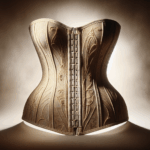 Waist Training Tips for Apple, Pear, and Hourglass Body Types
 How to Choose the Right Men’s Waist Trainer for Your Body Type
 Men’s Shapewear vs. Waist Trainers: Understanding the Key Differences
 Waist Training: Real Transformations & Tips Before & After
 Can Shapewear Really Help with Weight Loss? The Truth Revealed
 Surprising Trends in Celebrities and Athletes Who Wear Men’s Waist Trainers
The Ultimate Guide to Men’s Waist Trainers: Unveiling the Benefits and Sizing Techniques
Luxury vs. Affordable Men’s Shapewear: Understanding the Price Difference
Surprising Trends in Celebrities and Athletes Who Wear Men’s Waist Trainers
The Ultimate Guide to Men’s Waist Trainers: Unveiling the Benefits and Sizing Techniques
Luxury vs. Affordable Men’s Shapewear: Understanding the Price Difference