Have you ever experienced unexpected back pain while trying to look your best in a fitted outfit? You’re not alone. Many people are seeking solutions to alleviate discomfort while maintaining a stylish silhouette. One option that has gained popularity over recent years is the waist trainer. But are these garments truly beneficial for back pain, or could they be doing more harm than good? Let’s take a closer look.
Understanding Waist Trainers
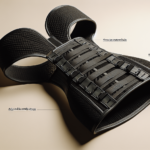
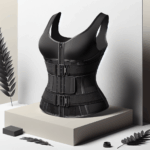
Waist trainers are fitting garments designed to cinch your waist, creating an hourglass shape. Traditionally made from latex or neoprene, they function similarly to corsets, compressing the midsection and sometimes providing support to the lower back. The idea is that by wearing a waist trainer, you might achieve a slimmer waistline or improve your posture.
How Do Waist Trainers Work?
The mechanics of waist trainers involve creating consistent pressure around your waist. This compression can serve several purposes:
- Shape Enhancement: By wearing the garment regularly, some believe they can mold their waist into a smaller size over time.
- Posture Support: The rigidity of the fabric may help keep your spine aligned and encourage good posture.
- Sweat Production: Many waist trainers are designed to increase thermal activity, leading to excess sweating in the abdominal area, which some interpret as weight loss.
While these claims sound appealing, it is vital to examine whether waist trainers actually deliver on their promises when it comes to back pain relief.
The Connection Between Waist Trainers and Back Pain
The relationship between waist trainers and back pain is nuanced. While some individuals report feeling relief from discomfort, others may experience aggravated pain. Understanding this dichotomy is crucial.
Potential Benefits
-
Posture Improvement: Wearing a waist trainer may lead to an increased awareness of your posture. With the support it provides, you may find yourself sitting or standing taller, reducing strain on your back muscles.
-
Core Stability: Some people report feeling more stable in their core when using a waist trainer, which can help in various activities, such as exercising or lifting objects.
-
Instant Shape: For social occasions or special events, a waist trainer can help achieve a desired shape quickly, potentially boosting your confidence and helping you feel more comfortable in your own skin.
Possible Risks
On the flip side, waist trainers can lead to problems that may counteract any potential benefits, especially concerning back pain.
-
Muscle Weakness: Over-reliance on waist trainers can cause your core muscles to weaken. Without proper engagement of these muscles, you could end up more prone to back pain.
-
Compression Issues: Excessive compression can impede blood circulation, leading to numbness or pain. If a waist trainer is too tight, it may exacerbate back pain rather than alleviate it.
-
Altered Posture: While waist trainers can promote good posture, wearing them for extended periods might encourage dependence on the garment instead of fostering natural posture habits.
What Does Science Say?
When considering any health-related product, it’s always wise to refer to scientific studies and expert opinions. Research on waist trainers and back pain is limited but provides some useful insights.
Studies Overview
Several small studies have examined the effectiveness of waist trainers for weight loss and posture improvement. However, there’s a notable lack of extensive research specifically targeting back pain relief.
-
Weight Loss Studies: Some studies suggest that waist trainers can help with short-term goals of waist reduction, but this is often temporary and tied to dietary and exercise habits.
-
Posture Research: Research indicates that good posture can lead to reduced back pain, but it does not specifically highlight waist trainers as a recommended method for achieving good posture.
-
Expert Opinions: Physical therapists and chiropractors often emphasize strengthening core and back muscles through exercise as the superior method compared to relying on any external support such as waist trainers.
Professional Recommendations
If you’re considering a waist trainer for back pain, consulting with a healthcare professional, such as a physical therapist, can provide customized advice. They can help you determine whether a waist trainer is appropriate for you or suggest alternative methods to relieve discomfort.
Alternatives to Waist Trainers for Back Pain Relief
If alleviating back pain is your goal, there are several effective alternatives to waist trainers that you might find beneficial.
Exercise and Physical Therapy
Engaging in regular exercise and physical therapy is often heralded as one of the best approaches to managing back pain. Here’s how:
-
Strengthening Exercises: Focus on workouts that build your core and back muscles. These muscles are pivotal in maintaining a healthy spine and preventing pain.
-
Stretching Routines: Incorporate stretching into your daily routine. Simple stretches can alleviate tension and improve flexibility in your back muscles.
-
Professional Guidance: Working with a physical therapist can tailor a program specific to your needs and help correct any underlying issues.
Ergonomic Support
Incorporating ergonomic items into your work and home environments can also be beneficial.
-
Office Chairs: A good ergonomic chair supports your back, encourages proper posture, and can reduce long-term discomfort from sitting.
-
Lumbar Support Cushions: Using lumbar support in your car or at your desk may provide additional support and comfort while sitting.
-
Standing Desks: Alternating between sitting and standing may reduce back strain and enhance your overall comfort throughout the day.
Mind-Body Techniques
Mind-body approaches can also play a significant role in alleviating back pain.
-
Yoga: Many people find that yoga is an effective way to improve flexibility and core strength while reducing stress, which in turn can lessen pain.
-
Meditation and Mindfulness: Techniques that promote relaxation can lessen the perception of pain. When you lower your stress levels, you may find your back pain feels more manageable.
-
Massage Therapy: Regular massages can relieve muscle tension and promote relaxation, which may also help reduce your back pain.
Personal Stories: Waist Trainers in Action
To add some real-life context to this discussion, consider these anecdotal testimonials regarding waist trainers and back pain:
Positive Experiences
-
Relief Through Compression: Some users report feeling a sense of relief from chronic back pain when they wear waist trainers during activities. They argue that the additional compression keeps their posture in check.
-
Boosted Confidence: Many feel more confident while wearing waist trainers, which can indirectly reduce the perception of pain since confidence can greatly affect overall wellness.
Negative Experiences
-
Increased Pain: Conversely, others have noticed an increase in discomfort after prolonged wear. Some report that once they remove the waist trainer, the pain intensifies, leading them to conclude that prolonged use isn’t beneficial.
-
Frustration with Dependence: Certain users express frustration at becoming reliant on waist trainers for comfort and shape, leading to concerns about their body’s natural ability to maintain good posture without the garment.
Conclusion: Making an Informed Decision
Ultimately, the decision to use a waist trainer for back pain relief is a personal one and depends on your specific circumstances. While some individuals find them helpful, others may experience adverse effects. It may be beneficial to experiment with different approaches before settling on a method that works for you.
Key Takeaways
-
Listen to Your Body: Pay attention to how your body responds to the waist trainer. If discomfort arises, it may be worth reconsidering your use of it.
-
Diversify Your Approach: Rather than relying solely on waist trainers, combine multiple strategies, including exercise, ergonomic support, and mindfulness.
-
Consult Professionals: Before integrating waist trainers or any new method into your routine, consider discussing your plans with a healthcare professional.
Understanding the potential benefits and risks associated with waist trainers can empower you to make more informed choices for your back health. After all, your comfort should always come first!
Related posts:
 Waist Training Tips for Apple, Pear, and Hourglass Body Types
 Waist Trainers vs. Corsets: Making the Right Choice
 How Waist Training Can Enhance Your Confidence and Mental Health
 How to Choose the Right Men’s Waist Trainer for Your Body Type
 Surprising Trends in Celebrities and Athletes Who Wear Men’s Waist Trainers
 Men’s Shapewear vs. Waist Trainers: Understanding the Key Differences
 Best Men’s Waist Trainers for Active Lifestyles
 Best Budget-Friendly Men’s Waist Trainers for Effective Results