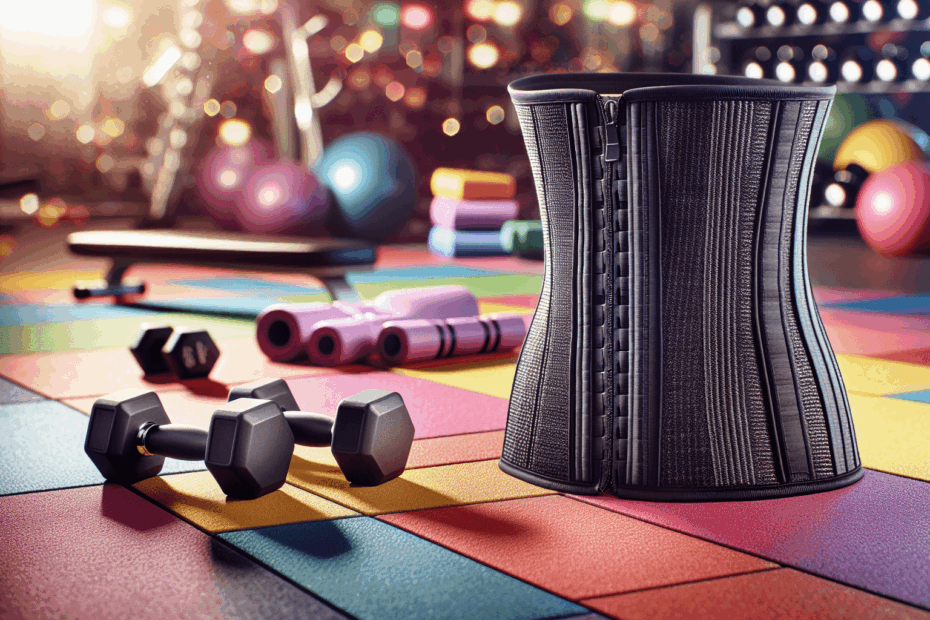
Have you ever wondered how waist trainers might affect your workouts? For many, the allure of a more defined waist has led to the popularity of waist trainers among men as well. But could they impact your fitness journey in ways you didn’t anticipate? Let’s take a closer look at waist trainers, their effects, and how they might influence men’s workouts.
Understanding Waist Trainers
Waist trainers are garments designed to assist in reshaping the waistline by compression. Traditionally made from materials like latex or neoprene, they provide a snug fit around the midsection. The concept isn’t new—corsets have existed for centuries, but waist trainers have re-emerged as a trendy fitness accessory in recent years.
These garments are often marketed as tools to help sculpt the body, enhance workouts, and promote weight loss. However, understanding how they work and their potential impact is essential before adding one to your fitness regime.
The Mechanics of Waist Trainers
Waist trainers are designed to increase thermal activity and perspiration in the midsection during workouts. As you exercise, the idea is that the added compression helps you perspire more in that area, which could lead to a trimmer appearance over time. However, this claim is often accompanied by a series of misconceptions.
Key Features of Waist Trainers:
| Feature | Description |
|---|---|
| Material | Often made from latex, neoprene, or cotton for compression. |
| Design | Aimed at wrapping tightly around the waist while allowing some movement. |
| Intended Use | Primarily used during workouts to enhance thermal activity. |
Understanding these characteristics can help you determine if a waist trainer might be a good fit for your fitness goals.
Waist Trainers and Core Strength
One question you might have is: do waist trainers actually help in developing core strength? The short answer is a bit more complicated.
The Science Behind Core Strength
Your core includes muscles from your abdomen, back, and pelvis. This group of muscles plays a crucial role in almost every physical activity you undertake. A strong core contributes to better posture, improved balance, and injury prevention.
Impact of Waist Trainers on Core Engagement
While waist trainers provide support around your midsection, they may actually hinder the natural engagement of your core muscles during exercise. If you rely too much on the support of a waist trainer, you could be neglecting the effort needed to strengthen your core.
| Effect | Explanation |
|---|---|
| Compression | Limits natural movement, possibly inhibiting muscle activation. |
| Dependency | May lead to a reliance on the waist trainer rather than using core muscles. |
Maintaining a strong core is essential, and while a waist trainer may help your appearance, it’s vital to consider how it affects your strength training endeavors.
Pros and Cons of Using Waist Trainers During Workouts
Just like with any fitness tool, there are advantages and disadvantages to consider before incorporating a waist trainer into your routine.
Benefits of Waist Trainers
-
Sudden Appearance of a Smaller Waist: The immediate effect of a waist trainer can be a visually smaller waist, boosting confidence during workouts or social events.
-
Increased Sweating: As you engage in physical activity, a waist trainer might lead to increased perspiration, which can feel satisfying, although it shouldn’t be confused with fat loss.
-
Postural Support: Some users find that a waist trainer provides a feeling of support and stability during intense workouts.
Drawbacks of Waist Trainers
-
Limited Core Engagement: As previously mentioned, depending on a waist trainer can hinder your ability to properly engage your core muscles, ultimately limiting strength gains.
-
Comfort and Breathability: Depending on the intensity of your workout, waist trainers can feel constricting and uncomfortable, especially during high-impact activities.
-
Potential Health Risks: Overuse of waist trainers can lead to health issues like acid reflux, breathing difficulties, and even impact on organ placement due to excessive compression.
| Pros | Cons |
|---|---|
| Visual enhancement | Potential for limited core strength |
| Increased sweating | Comfort issues during intense workouts |
| Support during activity | Risk of health complications |
Understanding these pros and cons can help you make an informed decision about whether to use a waist trainer while working out.
Should You Use a Waist Trainer?
Deciding whether to incorporate a waist trainer into your fitness routine depends on your personal goals and comfort.
Factors to Consider
-
Fitness Goals: Are you primarily focused on strength training, flexibility, or aesthetics? A waist trainer might help you look slimmer, but it may detract from your core strength.
-
Workout Type: High-impact workouts might not be the best time to wear a waist trainer due to its restrictive nature. Conversely, during low-intensity sessions, some find them acceptable.
-
Duration of Use: If you choose to use a waist trainer, consider limiting its usage to specific workouts or durations, avoiding prolonged wear which might lead to discomfort.
Alternatives to Waist Trainers
If the idea of a waist trainer doesn’t seem like the right fit for your fitness journey, there are alternatives that can help achieve similar outcomes without the drawbacks.
Effective Alternatives
-
Core Strengthening Exercises: Focus on exercises specifically designed to strengthen your core, such as planks, bridges, or stability ball workouts.
-
Proper Nutrition: A balanced diet contributes significantly to achieving a desired physique. Combining healthy eating with exercise can often yield better results than waist trainers.
-
Body Shaping Clothing: Compression garments offer support without the heavy rigidity of waist trainers. These can provide a smoother look without restricting movement.
| Alternative | Benefit |
|---|---|
| Core Exercises | Directly strengthens core muscles |
| Nutrition | Promotes healthier body composition |
| Compression Clothing | Offers aesthetics without restricting movement |
Combining these alternatives with a solid workout plan can lead to more sustainable results compared to relying on waist trainers.
Real-Life Experiences with Waist Trainers
To understand more about waist trainers, looking at real-life experiences from various men can provide valuable insights.
User Opinions
-
John’s Experience: A frequent gym-goer believes that while his waist trainer helped him sweat more during workouts, it also limited his ability to engage his core effectively. He opted to stop using it and focus on other core-strengthening exercises.
-
Mark’s Journey: Mark felt that wearing a waist trainer during weight lifting provided him with support, but he eventually realized that it limited his range of motion and decided to discontinue its use.
Key Takeaway
Personal experiences highlight that while waist trainers may provide immediate visual changes, they can also hinder core strength development and comfort levels.
Conclusion
You might be drawn to waist trainers for the prospect of a more sculpted physique, but it’s crucial to weigh the benefits against potential drawbacks. Evaluating your fitness goals, alternative solutions, and the science behind core strength can guide your decision-making process.
The right tool can complement your fitness journey rather than hinder it. Your focus should always remain on engaging your core effectively and developing sustainable habits that foster long-term health and wellness.
In summary, while waist trainers can provide short-term aesthetic benefits, relying on them for fitness gains may lead to more complications than advantages. Ultimately, fostering a strong core through alternative methods will likely provide better, more enduring results in your workouts.
Related posts:
 The Best Postpartum Shapewear for Effective Weight Loss After Pregnancy
 LODAY Body Shaper Review
 How to Choose the Right Men’s Waist Trainer for Your Body Type
 Men’s Shapewear vs. Waist Trainers: Understanding the Key Differences
 Best Men’s Waist Trainers for Active Lifestyles
 Surprising Trends in Celebrities and Athletes Who Wear Men’s Waist Trainers
 The Ultimate Guide to Men’s Waist Trainers: Unveiling the Benefits and Sizing Techniques
Luxury vs. Affordable Men’s Shapewear: Understanding the Price Difference
The Ultimate Guide to Men’s Waist Trainers: Unveiling the Benefits and Sizing Techniques
Luxury vs. Affordable Men’s Shapewear: Understanding the Price Difference