Have you ever wondered how waist trainers work for men and what benefits they can bring to your fitness journey? If so, you’re in for a treat! This comprehensive guide will walk you through everything you need to know about men’s waist trainers, from understanding their function to finding your perfect size. Let’s embark on this journey together!
What is a Waist Trainer?
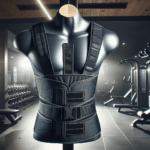
A waist trainer is a type of garment that uses compression to shape your midsection. Traditionally designed for women, waist trainers have gained popularity among men seeking to trim their waistlines and enhance their physique, especially during workouts. While these garments may resemble corsets, modern waist trainers are specifically crafted for the male body.
How Do Waist Trainers Work?
Waist trainers primarily function by applying pressure to your core. The compression created helps you maintain good posture and encourages perspiration, which can lead to water weight loss during exercise. However, it’s important to note that while waist trainers may help with physical appearance temporarily, they are not a substitute for healthy eating and regular exercise.
Benefits of Waist Trainers for Men
It’s natural to be curious about the impact of incorporating a waist trainer into your routine. Here are some key benefits that you might find appealing:
1. Improved Posture
Wearing a waist trainer can naturally encourage you to stand up straighter and draw your shoulders back, thanks to its compressive properties. Good posture not only enhances your physical appearance but can also relieve pressure on your spine and reduce back pain over time.
2. Enhanced Workout Efficiency
Adding a waist trainer to your exercise gear can help you stay motivated during workouts. The additional compression around your abdomen might make you feel more secure as you engage in physical activities, allowing you to push yourself harder and potentially see improved results.
3. Increased Sweat Production
One of the most noticeable effects of a waist trainer is the increased sweat that typically occurs during exercise. This can lead to temporary water weight loss, which might give you a slimmer appearance right after your workout. While this isn’t fat loss, many find it to be an encouraging immediate effect.
4. Confidence Boost
Many men report feeling more confident when wearing a waist trainer, especially in social settings or while engaging in fitness activities. The streamlined look can help you feel more put together and give a boost to your self-esteem as you strive toward your fitness goals.
Choosing the Right Waist Trainer
Selecting the right waist trainer is crucial to experiencing its benefits without compromising comfort. Given the vast array of options available, here are some factors to consider when making your choice.
1. Material
Waist trainers come in various materials, and the choice often affects their durability, breathability, and comfort level. Common materials include:
| Material | Benefits | Drawbacks |
|---|---|---|
| Latex | Strong support, durable | May cause discomfort for sensitive skin |
| Neoprene | Great for sweating, flexible | May not be as supportive as latex |
| Cotton blends | Soft, breathable | Less effective at compression |
| Nylon/Spandex | Stretchy and comfortable | Might lack durability over time |
2. Size and Fit
Getting the right size is likely one of the most crucial aspects of waistband selection. A waist trainer should fit snugly but not uncomfortably. When measuring for your waist trainer, use a flexible measuring tape and follow these steps:
- Measure your natural waist: Find the narrowest part of your torso, usually above your belly button.
- Refer to sizing charts: Most manufacturers provide a sizing chart to help match your measurement to their garment sizes.
3. Style
There’s a variety of styles available, including full torso, waist-only, or belt-like options. Consider what will best fit your lifestyle. If you’re primarily using it for workouts, a waist trainer that allows for freedom of movement might be ideal.
Tips for Wearing a Waist Trainer
Once you’ve selected your waist trainer, it’s vital to understand how to wear it properly to maximize its benefits. Here are some helpful tips:
1. Start Slow
If you’re new to wearing a waist trainer, begin by wearing it for short periods. Gradually increase the duration as your body adjusts. This helps prevent discomfort and gives your body time to adapt.
2. Pair with a Healthy Lifestyle
A waist trainer isn’t a magic solution. To achieve and maintain desired results, combine it with a balanced diet and regular exercise. Think of it as a supplementary tool rather than a standalone method.
3. Stay Hydrated
Because waist trainers can induce sweating, it’s essential to drink plenty of water to stay hydrated. Also, maintaining proper hydration supports overall fitness and health.
4. Listen to Your Body
If at any point you experience discomfort, adjust the fit or consider taking breaks. Remember, you want to enhance your fitness journey, not compromise your well-being.
Common Misconceptions About Waist Trainers
It’s important to address some prevalent misconceptions surrounding waist trainers for men. Understanding these can help you make informed decisions about their use.
Myth 1: Waist Trainers Cause Permanent Weight Loss
Many assume that wearing waist trainers will lead to lasting weight loss. In reality, the initial weight lost while wearing one is often water weight and not actual fat loss. Sustainable weight management requires lifestyle changes involving diet and exercise.
Myth 2: They Are Only for Specific Body Types
Waist trainers are designed to fit various body shapes and sizes. The key is finding one that accommodates your specific physique. No matter your body type, there’s likely a waist trainer that can work for you.
Myth 3: Waist Trainers Are Harmful
While waist trainers can be safe when used properly, overuse or ill-fitting models can lead to discomfort or health issues. It’s all about moderation and finding the right fit for your body.
Top Picks for Men’s Waist Trainers
Now that you’re equipped with knowledge about waist trainers, let’s look at some of the top recommendations on the market that cater to men.
1. TRIZOR Men’s Waist Trainer
The TRIZOR Men’s Waist Trainer is known for its blend of durability and comfort. Crafted from high-quality latex, this trainer provides ample support while remaining flexible enough for various activities.
Pros
- Excellent compression
- Comfortable fit
- Suitable for workouts and daily wear
Cons
- Can be difficult to clean
2. Tango Fitness Waist Trainer
The Tango Fitness Waist Trainer features a breathable design made from a cotton blend that allows for airflow. It’s perfect for workouts or lounging at home while still achieving that sleek look.
Pros
- Soft and comfortable
- Great for all-day wear
- Versatile design
Cons
- May not provide the same level of compression as latex options
3. SQUEEZE Men’s Waist Trainer
This waist trainer stands out for its adjustable straps, allowing you to customize the fit based on your preferences. Made from high-quality neoprene, it promotes sweating during workouts.
Pros
- Adjustable for a better fit
- Good for intense workouts
- Affordable price point
Cons
- Limited sizing options
Caring for Your Waist Trainer
To maximize the life of your waist trainer, proper care is essential. Here’s how to keep it in top shape:
1. Regular Cleaning
Most waist trainers can be hand-washed or machine-washed on a delicate cycle. Be sure to follow the care instructions provided by the manufacturer. Use mild detergent and avoid fabric softeners, as they can affect the material.
2. Store Properly
When not in use, store your waist trainer in a cool, dry place away from direct sunlight. Avoid folding it tightly, which could distort its shape.
3. Monitor for Wear
Keep an eye out for signs of wear and tear. If your waist trainer begins losing its elasticity or shows significant damage, it may be time for a replacement.
Conclusion
Incorporating a waist trainer into your routine can be a beneficial addition, offering support, improved posture, and enhanced motivation. However, the key is to use it wisely and in conjunction with a healthy lifestyle. Remember to choose the right size, material, and style, listen to your body, and always focus on balance. With the right approach, your waist trainer can aid you in your fitness journey and help you feel great in your own skin!
Related posts:
 Postpartum Shapewear and Its Role in Recovery and Confidence
 Waist Training Tips for Apple, Pear, and Hourglass Body Types
 How to Choose the Right Men’s Waist Trainer for Your Body Type
 Men’s Shapewear vs. Waist Trainers: Understanding the Key Differences
Luxury vs. Affordable Men’s Shapewear: Understanding the Price Difference
Men’s Shapewear vs. Waist Trainers: Understanding the Key Differences
Luxury vs. Affordable Men’s Shapewear: Understanding the Price Difference
 Surprising Trends in Celebrities and Athletes Who Wear Men’s Waist Trainers
Shapewear for Men: Boosting Confidence and Enhancing Body Image
Surprising Trends in Celebrities and Athletes Who Wear Men’s Waist Trainers
Shapewear for Men: Boosting Confidence and Enhancing Body Image
 Best Men’s Waist Trainers for Active Lifestyles