Have you ever wondered what the differences are between shapewear and waist trainers? Many people are on a quest to find the best way to enhance their bodies and support their weight loss journeys. With so many options out there, it’s essential to understand the products that claim to help you achieve your goals. This guide will provide a comprehensive look at both shapewear and waist trainers, so you can make an informed choice for your body and lifestyle.
Understanding Shapewear
Shapewear is designed to smooth and sculpt your body, offering a flattering silhouette under your clothing. It’s made from a variety of materials that compress certain areas while allowing freedom of movement.
Purpose of Shapewear
The primary goal of shapewear is to create a streamlined appearance. Whether you’re dressing for a special occasion or simply want to feel a bit more confident in your everyday outfits, shapewear can provide that extra support.
Types of Shapewear
- Bodysuits: These cover the torso and often extend to the thighs, providing all-around compression.
- High-waisted briefs: Designed to target the waist and tummy, these are a popular choice for everyday wear.
- Control camisoles: Perfect for layering, control camis can help smooth out your figure without feeling too constrictive.
- Shaping shorts: Ideal for tighter dresses, these can help eliminate lines and provide thigh support.
Benefits of Shapewear
- Confidence Boost: Many people feel more confident when their body appears smoother and more toned.
- Versatility: Available in various styles and sizes, shapewear can be worn under nearly any outfit.
- Comfort: Unlike other body-shaping options, shapewear is often made from breathable materials allowing for all-day wear.
The Role of Waist Trainers
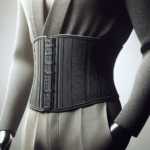
While shapewear focuses on creating a smooth silhouette, waist trainers are typically designed with the intention of cinching the waist to give it a more defined appearance. They often come in the form of a fitted belt that you wear around your midsection.
Purpose of Waist Trainers
Waist trainers are often marketed for their potential weight-loss benefits. They claim to help shape the waist, enhance curves, and even promote sweating during workouts.
Types of Waist Trainers
- Corset-style trainers: These are designed to tighten around the waist and are often used for dramatic body shaping.
- Flex-boning trainers: Made for comfort, these typically have a flexible design to allow for movement while still providing support.
- Latex waist trainers: Many people opt for latex waist trainers due to their compression properties and durability.
Benefits of Waist Trainers
- Temporary Results: Waists can appear smaller while wearing a waist trainer, which can be motivating when working towards body goals.
- Posture Support: Some waist trainers can provide additional support for your back, which may improve your posture.
- Sweat Induction: Wearing a waist trainer during workouts may help you sweat more, which some people believe contributes to fat loss.
Shapewear vs. Waist Trainers: Key Differences
While both shapewear and waist trainers are popular garments for those looking to enhance their figures, their purposes, designs, and results differ significantly.
Effect on Body Shape
| Feature | Shapewear | Waist Trainers |
|---|---|---|
| Purpose | Smooth and sculpt | Tighten and define waist |
| Result | Smoother silhouette | Smaller waist appearance |
| Duration of Effect | Depends on wear | Temporary during wear |
Shapewear focuses on smoothness and comfort, while waist trainers emphasize a more dramatic hourglass shape.
Usage Scenarios
Shapewear can be worn throughout the day under various outfits, while waist trainers are often worn during workouts or for special occasions.
- Shapewear: Ideal for everyday use, weddings, parties, and casual events.
- Waist Trainers: Best reserved for workouts, or short-term styling needs for specific outfits.
Comfort and Wearability
Think about how often you want to wear these types of products.
- Shapewear is generally more comfortable for longer wear since it is designed to allow for movement.
- Waist trainers can feel more restrictive, especially if they are too tight or if worn for extended periods.
The Controversy Surrounding Weight Loss Claims
Both shapewear and waist trainers often make bold claims regarding weight loss, but it is important to approach these assertions critically.
Shapewear and Weight Loss
- Temporary Impact: Wearing shapewear can provide an immediate visual change, but it does not contribute to fat loss or muscle tone in the long run.
- Diet and Exercise: The most sustainable weight loss comes from a balanced diet and regular exercise, not from compression garments.
Waist Trainers and Weight Loss
- Misleading Claims: Some manufacturers suggest that waist trainers can lead to permanent weight loss or fat loss. However, scientific evidence to support these claims is limited.
- Lifestyle Changes Needed: Implementing sustainable lifestyle changes such as proper nutrition and exercise is essential for any long-term weight loss goals.
Potential Risks and Considerations
With any garment, it’s important to consider the potential drawbacks or risks involved in wearing shapewear or waist trainers.
Risks of Shapewear
- Discomfort: If shapewear is too tight, it can lead to discomfort or difficulty breathing. Make sure you choose the right size.
- Digestive Issues: Wearing shapewear can apply pressure to the stomach, potentially causing indigestion or acid reflux.
- Skin Irritation: Some materials may lead to chafing or irritation; always consider your skin’s sensitivity when making a selection.
Risks of Waist Trainers
- Pressure on Organs: Waist trainers can put excessive pressure on your organs, possibly leading to respiratory issues or digestive problems over time.
- Dependency: Relying too heavily on waist trainers might hinder your ability to build your core strength naturally.
- Misaligned Posture: While they provide support, waist trainers may encourage poor posture if worn incorrectly or too often.
Making Informed Choices
When deciding between shapewear and waist trainers, it’s crucial to consider your personal goals and preferences.
Assess Your Goals
- If you’re aiming for an immediate visual enhancement: Shapewear may be your best bet since it provides an all-around smoothing effect.
- If you’re focused on enhancing workouts: Waist trainers can offer temporary waist definition, but remember to combine them with proper exercises.
Comfort Matters
Prioritize comfort and fit above all. Trying on different styles and sizes can help you find the right match for your body type and personal taste.
Listen to Your Body
If you experience discomfort or pain when wearing either garment, it’s important to reconsider your choice. Your well-being is more critical than any aesthetic benefit.
Conclusion
Understanding the differences between shapewear and waist trainers can help you navigate your options more effectively. While both can enhance your body in different ways, they are not a substitute for healthy lifestyle choices.
Ultimately, shapewear provides a smooth visual change for confidence, while waist trainers may help you achieve a more defined waist temporarily during workouts or special events. The best choice really depends on your individual goals, comfort levels, and preferences.
Choose the option that best aligns with your desires, and remember that feeling good in your own skin should always be a priority. Embrace your unique shape, and celebrate your journey towards health and confidence!
Related posts:
 Can Shapewear Really Help with Weight Loss? The Truth Revealed
 How to Use Shapewear for Effective Weight Loss Results
How Long Should You Wear Shapewear for Effective Weight Loss?
How to Use Shapewear for Effective Weight Loss Results
How Long Should You Wear Shapewear for Effective Weight Loss?
 The Best Postpartum Shapewear for Effective Weight Loss After Pregnancy
 Shapewear for Men: Exploring Its Impact on Weight Loss
 Postpartum Shapewear vs. Regular Shapewear: Understanding the Key Differences
Combining Shapewear and Exercise for Effective Weight Loss
Postpartum Shapewear vs. Regular Shapewear: Understanding the Key Differences
Combining Shapewear and Exercise for Effective Weight Loss
 Surprising Trends in Celebrities and Athletes Who Wear Men’s Waist Trainers