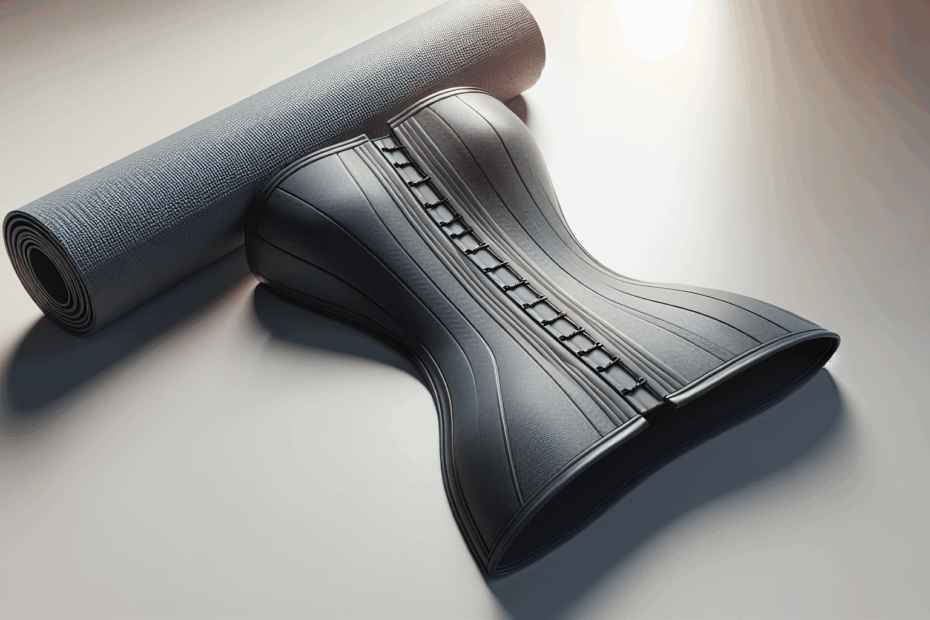
Have you ever found yourself slouching at your desk or feeling discomfort in your back after a long day? If so, you might be wondering if there’s a way to improve your posture. Recently, waist trainers have gained popularity as a tool for achieving a slimmer waistline, but can they also help with posture? Let’s take a closer look at this intriguing question and what experts have to say.
Understanding Waist Trainers
Waist trainers are garments designed to compress your midsection, creating the appearance of a smaller waist. Typically made from materials like latex or spandex, these garments are often worn during workouts or throughout the day. While many people use waist trainers with the goal of achieving a certain aesthetic, there’s ongoing debate about their effectiveness for other purposes, including posture improvement.
What Do Waist Trainers Claim to Do?
The main claims of waist trainers usually revolve around body shaping. Some proponents suggest that regular use can lead to a more curvaceous figure, enhanced core stability, and even weight loss when combined with proper diet and exercise. However, these claims can be misleading.
Waist trainers mainly create an illusion of a smaller waist by redistributing body fat and compressing your natural shape. In many cases, they don’t cause permanent changes in body size or fat distribution. So, how might they impact your posture?
The Connection Between Posture and Waist Trainers
While waist trainers primarily focus on cosmetic changes, they can have implications for your posture. Here’s how they might influence alignment and support.
How Waist Trainers Can Affect Your Spine
Wearing a waist trainer can create a tighter core, which might make you feel more supported. This support can encourage you to stand up straighter, leading to better posture. However, it’s essential to consider that forcing your body into a specific shape could lead to other issues.
Limited Mobility and Muscle Engagement
Another factor to consider is that waist trainers can limit your mobility. While they may provide support, they can also restrict your range of motion. If you’re unable to move freely, you might unconsciously adapt by slouching or adopting an awkward posture. Moreover, relying on a waist trainer might cause you to under-utilize your core muscles, which can lead to muscle weakness over time.
The Importance of Core Strength
For good posture, a strong core is vital. Rather than solely relying on external devices like waist trainers, engaging in exercises that strengthen your abdominal and back muscles can provide better support and alignment for your spine.
Expert Opinions on Waist Trainers and Posture
Let’s see what experts in health and fitness have to say about the use of waist trainers and their potential benefits for posture.
What Do Physical Therapists Suggest?
Physical therapists often express caution regarding the use of waist trainers. They emphasize that while these garments may offer temporary support, they are no substitute for building strength and maintaining flexibility. A strong core is paramount, and exercises designed to enhance this muscle group are crucial for lasting improvements in posture.
The View of Personal Trainers
Many personal trainers share similar sentiments. They highlight that while waist trainers might provide some initial support, they should not replace core-strengthening exercises. Personal trainers often advocate for a balanced approach that includes both strength-building exercises and proper body mechanics.
Insights from Chiropractors
Chiropractors also have a unique perspective on waist trainers. They often emphasize the importance of spinal alignment over cosmetic goals. If a waist trainer alters your natural alignment, it could lead to issues in the long run, including chronic pain or discomfort.
When Might Waist Trainers Be Useful?
While continuous reliance on waist trainers for posture is not advisable, there may be specific scenarios where their use can provide temporary benefits. Here are a couple of situations where waist trainers might be useful:
During Physical Activities
Some individuals find that wearing a waist trainer during physical activities can offer support to their core, especially while lifting weights or performing exercises that demand stability. They may serve as a reminder to maintain proper form and engagement in the core.
Post-Surgical Recovery
In certain medical situations, such as after abdominal surgery, doctors might recommend supportive garments for a limited duration. These garments can help reduce strain on the area during recovery. However, it’s vital to follow your healthcare provider’s guidelines.
Alternative Solutions for Improving Posture
If you’re seeking to enhance your posture, consider alternatives that focus on building strength, flexibility, and body awareness instead of relying solely on waist trainers.
Incorporating Core Strengthening Exercises
Building a strong core can significantly improve your posture. Here are some essential exercises to incorporate:
| Exercise | Description |
|---|---|
| Planks | Engages your entire core and back. |
| Bridges | Strengthens the muscles of the lower back and glutes. |
| Bird-Dogs | Combines stability and balance for core engagement. |
| Russian Twists | Strengthens the oblique muscles for better stability. |
| Side Planks | Targets the lateral muscles for improved core strength. |
Practicing Good Ergonomics
Being mindful of your workstation can make a significant difference in your posture. If you spend a lot of time sitting at a desk, make ergonomic adjustments:
- Use a chair that supports your lower back.
- Keep your feet flat on the floor.
- Adjust your monitor to eye level to prevent neck strain.
- Take short breaks to stand, stretch, and move around frequently.
Yoga and Stretching
Incorporating yoga or regular stretching can do wonders for improving posture. Certain poses specifically target the muscles that play a significant role in posture. A few effective poses include:
| Yoga Pose | Benefits |
|---|---|
| Mountain Pose | Encourages awareness of alignment and core engagement. |
| Cat-Cow Pose | Promotes flexibility in the spine and improves back strength. |
| Cobra Pose | Opens up the chest and strengthens the lower back. |
| Child’s Pose | Provides a gentle stretch for the back while promoting relaxation. |
| Downward Dog | Engages the core and stretches the spine and hamstrings. |
Common Misconceptions About Waist Trainers
When discussing waist trainers, it’s essential to address some common misconceptions that may cloud your understanding.
Waist Trainers Lead to Permanent Results
One of the most significant myths is that waist trainers can yield long-lasting weight loss or a permanent change in body shape. The reality is that any changes you see while wearing a waist trainer are often temporary. Once you stop using them, your body typically returns to its natural state.
They Can Be Worn All Day
Many people believe they can wear waist trainers all day long without consequences. While they might be comfortable for a few hours, prolonged wear can cause discomfort or pressure on your internal organs, leading to potential health issues over time.
Everyone Can Wear Waist Trainers
Waist trainers are not suitable for everyone. Individuals with certain medical conditions, including respiratory or gastrointestinal issues, may find these garments exacerbate their problems. Always consult with a healthcare provider before deciding to use a waist trainer.
Summary: The Bottom Line on Waist Trainers and Posture
So, can waist trainers improve men’s posture? The answer appears to be nuanced. While they may provide temporary support and a feeling of stability, they are not a foolproof solution for improving posture. Building a strong core through dedicated exercises, adopting good ergonomic practices, and maintaining awareness of body mechanics are essential steps in achieving better posture long-term.
If you choose to use a waist trainer, consider it a supplementary tool rather than a primary means of achieving better posture. Remember that engaging in physical activities that promote core strength and flexibility, along with nurturing body awareness, will always remain the best foundations for improving posture over time.
In the end, the journey towards better posture is about more than just aesthetics; it’s about creating a healthier, more balanced lifestyle. If you have questions or concerns about posture or waist trainers, consulting with a healthcare professional can provide personalized guidance tailored to your needs.
Related posts:
 How to Choose the Right Men’s Waist Trainer for Your Body Type
 Surprising Trends in Celebrities and Athletes Who Wear Men’s Waist Trainers
 Men’s Shapewear vs. Waist Trainers: Understanding the Key Differences
 The Ultimate Guide to Men’s Waist Trainers: Unveiling the Benefits and Sizing Techniques
Do Waist Trainers Affect Digestion in Men? What You Need to Know
Shapewear for Men: Boosting Confidence and Enhancing Body Image
The Ultimate Guide to Men’s Waist Trainers: Unveiling the Benefits and Sizing Techniques
Do Waist Trainers Affect Digestion in Men? What You Need to Know
Shapewear for Men: Boosting Confidence and Enhancing Body Image
 Best Men’s Shapewear for a Polished Suit Look
Luxury vs. Affordable Men’s Shapewear: Understanding the Price Difference
Best Men’s Shapewear for a Polished Suit Look
Luxury vs. Affordable Men’s Shapewear: Understanding the Price Difference