
Have you ever wondered how long you should wear a waist trainer each day to see the best results? As waist trainers become more popular among men who want to refine their physique, getting the timing right can help maximize your efforts.
Understanding Waist Trainers
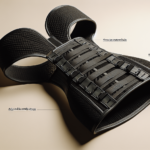
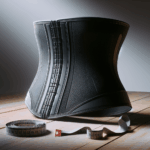
Waist trainers are garments made of firm, durable material designed to compress the waist and promote a more defined shape. They have gained traction not just among women but also among men who are looking to enhance their fitness routines and body contours. When considering waist training, it’s essential to know how they work and what to expect.
How Waist Trainers Work
A waist trainer applies pressure to your midsection, which can help promote better posture, support weight loss efforts, and affect your body’s natural shape over time. However, it’s important to remember that waist trainers are not a magic solution. They should complement a healthy lifestyle that includes a balanced diet and regular exercise.
Common Misconceptions
Many people think that waist trainers will lead to instant results, which is misleading. While wearing one may provide some immediate visual changes due to compression, significant body transformations require a consistent and realistic approach to fitness and nutrition.
Recommended Duration for Daily Use
When it comes to how long you should wear a waist trainer daily, the answer isn’t one-size-fits-all. Factors such as your body type, fitness goals, and daily activities will influence the ideal duration.
General Guidelines
Experts generally recommend beginning with shorter wear times and gradually increasing that duration as your body adjusts. Here’s a guideline to help you get started:
| Experience Level | Initial Wear Time | Maximum Wear Time |
|---|---|---|
| Beginner | 1-2 hours daily | 6 hours daily |
| Intermediate | 2-4 hours daily | 8 hours daily |
| Advanced | 4-6 hours daily | 10-12 hours daily |
Start Slow
If you’re new to waist training, ease into it by starting with just one or two hours. This gradual approach allows your body to adjust, helping you avoid discomfort or negative side effects.
Listen to Your Body
No matter your experience level, you should always pay attention to how your body feels when wearing a waist trainer. If you experience pain, shortness of breath, or any discomfort, it’s wise to remove it immediately.
Maximizing Results
To get the most out of waist training, consider these tips that can enhance your experience.
Combine with Exercise
Wearing a waist trainer while exercising can help you sweat more in your midsection. This isn’t a long-term weight loss solution, but it may provide short-term benefits. Think of it as an addition to a good workout, rather than the sole focus of your fitness routine.
Mind Your Diet
Waist trainers alone can’t substitute for good nutrition. Consider maintaining a balanced diet rich in whole foods, lean proteins, healthy fats, and plenty of fruits and vegetables to support your waist training goals.
Choosing the Right Waist Trainer
Finding the right waist trainer involves knowing your size, shape, and comfort level. Each waist trainer has different styles and levels of compression, which can impact how long you can wear them.
Types of Waist Trainers
- Latex Waist Trainers: Provide significant compression and are durable but may be less breathable. Ideal for short-term use during workouts.
- Neoprene Waist Trainers: Designed for increased sweating, perfect for workouts but should be worn cautiously.
- Cotton Waist Trainers: More comfortable for all-day wear but may not provide the same level of compression.
Finding Your Fit
Getting the correct size is crucial. Too tight can lead to discomfort, while too loose won’t show any effects. Here’s a simple sizing guide:
| Size | Waist Measurement (inches) |
|---|---|
| S | 28-30 |
| M | 31-33 |
| L | 34-36 |
| XL | 37-39 |
Signs You’re Wearing It Too Long
Knowing when to take off your waist trainer is just as important as knowing when to put it on. Here are some signs to watch for:
Discomfort
If you start to experience discomfort or pinching, it’s a clear sign that you should remove the waist trainer. Comfort is key, as squeezing your waist too tight can lead to other health issues.
Breathing Difficulty
If you find it hard to breathe while wearing your waist trainer, it’s wise to remove it. Waist training should feel snug but not restrictive.
Benefits of Waist Training
Using a waist trainer can come with several benefits, especially when used correctly. Here are some of the potential advantages:
Improved Posture
Wearing a waist trainer may help you maintain better posture, which can be beneficial whether you’re working at a desk, at the gym, or out and about. Better posture can alleviate back pain and improve confidence.
Enhanced Body Awareness
When you wear a waist trainer, you may become more aware of your body movements and how you position yourself. This awareness can help with your overall fitness routine and lifestyle.
Motivation Boost
Seeing gradual changes in your appearance can provide you with a motivational lift in your fitness journey. Feeling better about your shape may encourage you to keep pursuing your fitness goals.
Potential Risks
While waist trainers have their benefits, there are potential risks that you should also consider.
Skin Issues
Wearing a waist trainer for too long can lead to skin irritation and rashes, especially if sweat gets trapped underneath the garment. Ensure you keep the area clean and dry.
Health Concerns
Overuse of waist trainers can lead to weakened core muscles and may interfere with your natural body function, affecting digestion and breathing. It’s important to find a balance.
Dependency
Relying too heavily on waist trainers for body shaping may prevent you from engaging in a proper fitness regimen. Make sure to focus on comprehensive health practices rather than a singular dependence on the trainer.
A Balanced Approach to Waist Training
Instead of treating waist training as a standalone solution, consider it a supplementary tool on your journey to fitness. Here’s a practical approach to harmonizing waist training with other elements of health and wellness.
Physical Activity
Incorporating cardiovascular and strength training exercises can help enhance your overall body composition. Maintain a regular workout routine that complements waist training.
Healthy Eating Habits
Consider meal planning and prepping nutritious meals. Strive for balance, ensuring you consume a variety of nutrients to fuel your workouts and recovery.
Consistency
Results come with time and commitment. Instead of wearing the waist trainer sporadically, maintain a regular schedule that fits your body and goals.
Supportive Community
Consider joining support groups or fitness communities to share experiences and gather insights. Connecting with others who are pursuing similar goals can provide encouragement and inspiration.
Conclusion
So, how long should men wear a waist trainer daily? The answer varies based on your personal goals and comfort level. Start slowly, listen to your body, and incorporate a holistic approach to your fitness that encompasses various aspects of health, not just waist training. Remember, the best transformation comes from a balanced lifestyle that includes regular exercise and healthy eating.
You’ve got this on your fitness journey, and every step you take counts toward a healthier, happier you. Always prioritize safety and well-being while striving for your goals.
Related posts:
 The Best High-Waisted Postpartum Shapewear for Tummy Control
 How to Choose the Right Men’s Waist Trainer for Your Body Type
Do Waist Trainers Help Men Lose Belly Fat? The Truth Revealed
How to Choose the Right Men’s Waist Trainer for Your Body Type
Do Waist Trainers Help Men Lose Belly Fat? The Truth Revealed
 Can Men Sleep in a Waist Trainer? Exploring Safety Tips and Alternatives
 Waist Trainers vs. Corsets: Making the Right Choice
 Maximize Your Results: Best Exercises to Pair with a Men’s Waist Trainer
 How to Use Shapewear for Effective Weight Loss Results
 How to Wear a Men’s Waist Trainer Properly for Maximum Results