

Have you ever wondered if men can sleep in a waist trainer? It’s a question that has been circulating quite a bit, especially with the rise of body-shaping garments. Waist trainers are often associated with women’s fashion and fitness routines, but men have also begun to explore these garments in their quest for a toned physique. In this article, you’ll find out whether sleeping in a waist trainer is safe and what alternatives exist.
Understanding Waist Trainers
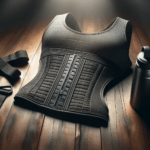
Waist trainers are garments designed to shape and support your waist by applying compression. Typically made from materials like latex, spandex, or cotton, these garments are worn around the midsection. The idea is to create an hourglass figure by reducing your waist size temporarily while accentuating your curves.
The Purpose of Waist Trainers
You might find that waist trainers serve various purposes. They can be used during workouts to intensify sweat, provide support during physical activity, and enhance the appearance of your waist for social occasions. Traditionally, these garments are marketed towards women, but increasingly men are looking into them for their own purposes.
The Gender Norms of Waist Trainers
It’s interesting to see how societal norms dictate who can wear what. While waist trainers have been historically marketed towards women, men’s fashion and fitness trends are shifting. Men are now starting to embrace waist trainers for body shaping and support.
Can Men Sleep in a Waist Trainer?
The question arises: Can men sleep in a waist trainer? While there are no hard and fast rules prohibiting it, there are several factors to consider before you decide to wear one while sleeping.
Potential Risks of Sleeping in a Waist Trainer
Sleeping in a waist trainer can cause potential risks that you should be aware of.
-
Restricted Breathing: One significant risk is that a waist trainer can compress your abdomen too tightly, leading to difficulty breathing, especially during sleep when your body is in a relaxed state.
-
Digestive Issues: Wearing a waist trainer while sleeping may pressure your stomach, which can affect your digestive system. It might cause discomfort or even lead to gastroesophageal reflux disease (GERD).
-
Reduced Blood Circulation: You may experience reduced blood circulation due to pressure from the waist trainer. This can lead to numbness or tingling in your limbs, making it uncomfortable to sleep.
-
Skin Irritation: Prolonged contact with a waist trainer may cause skin irritation or abrasions, especially in sensitive areas. If you’re asleep, you might not be aware of discomfort until you wake up.
What Professionals Say
Health professionals generally advise against sleeping in waist trainers, regardless of gender. The primary reasons include safety concerns and potential long-term effects on your health. It’s essential to prioritize comfort and well-being over aesthetics, particularly when it comes to sleep.
Safety Tips If You Choose to Sleep in a Waist Trainer
Should you decide to experiment with wearing a waist trainer while you sleep, consider these safety tips to minimize potential risks.
1. Choose the Right Size
A common mistake is wearing a waist trainer that is too tight. It’s crucial to pick a waist trainer that fits comfortably and provides mild compression rather than extreme tightness.
2. Limit the Duration
If you feel compelled to wear a waist trainer at night, limit the duration. Consider wearing it for an hour or two instead of all night long. This allows you to enjoy the benefits without compromising your safety.
3. Listen to Your Body
Pay attention to how your body responds to wearing a waist trainer while sleeping. If you experience any discomfort, difficulty breathing, or persistent skin irritation, it’s best to remove the waist trainer immediately.
4. Alternate Methods
Consider using other methods that can help shape your waist while allowing for comfort. This could include gentler compression garments or even reshaping workouts targeted at your core without the use of waist trainers.
Alternatives to Waist Trainers
If wearing a waist trainer while you sleep doesn’t seem safe or suitable for you, there are several alternatives to consider.
1. Compression Garments
Though similar to waist trainers, compression garments are designed differently. They provide support without the extreme tightness that characterizes traditional waist trainers. Compression shirts or shorts can help with post-workout recovery and maintain a stable core without the risks associated with waist trainers.
2. Core Strengthening Exercises
Consider focusing on core-strengthening exercises that help shape your waist gradually. These can include planks, Russian twists, and belly breathing exercises. Regular strength training can yield long-term results and enhance overall physique sustainably.
3. Healthy Diet
Food plays a significant role in achieving a toned waistline. Incorporate a balanced diet rich in fruits, vegetables, whole grains, and lean proteins. Staying hydrated is equally crucial, so aim to drink enough water throughout the day.
4. Specialized Workout Gear
There are workout-specific garments engineered to support your physique during exercises without the restrictive nature of waist trainers. Look for tank tops or shorts that provide support but are comfortable enough to wear for longer durations.
5. Posture Correctors
Posture correctors aid in achieving a straight, elongated torso. They can help improve your posture while providing a mild tightening effect around your waist. Unlike waist trainers, posture correctors are designed with comfort in mind and can actually improve your health in the long run.
Final Thoughts
While it may be tempting to wear a waist trainer at night in pursuit of that chiseled look, considering the potential risks is key. Prioritizing your comfort and health should always be the primary concern. If you are exploring options to enhance your physique, experimenting with safer alternatives can yield better results without compromising your well-being.
In the end, whether you decide to wear a waist trainer or one of its alternatives, remember to listen to your body and make informed choices that align with your goals. A healthy mindset leads to sustainable changes—both in body and in the way you feel.
Related posts:
 The Best High-Waisted Postpartum Shapewear for Tummy Control
 Waist Training for Men: A Comprehensive Beginner’s Guide
The Ultimate Guide to Men’s Waist Trainers: Unveiling the Benefits and Sizing Techniques
Waist Training for Men: A Comprehensive Beginner’s Guide
The Ultimate Guide to Men’s Waist Trainers: Unveiling the Benefits and Sizing Techniques
 Celebrity Men and Their Waist Trainer Secrets Unveiled
How to Wash & Care for Your Postpartum Shapewear
Celebrity Men and Their Waist Trainer Secrets Unveiled
How to Wash & Care for Your Postpartum Shapewear
 The Best Postpartum Shapewear for Effective Weight Loss After Pregnancy
 The Best Fabrics for Maximum Comfort with a Waist Trainer
 Waist Trainers for Postpartum Recovery: Essential Insights