
Do you ever wonder whether waist trainers are an effective solution for losing that stubborn belly fat? You’re not alone. Many people are curious if this trendy garment is just another fad or if it truly can make a difference in reducing waist size and shedding excess fat. Let’s uncover the truth about waist trainers and their impact on men’s fitness goals.
What is a Waist Trainer?
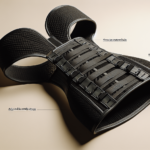
A waist trainer is a type of garment typically made from elastic, latex, or other stretchy materials designed to fit tightly around your midsection. It is often worn with the intention of shaping and reshaping your waist. While waist trainers gained popularity among women, many men have started using them, too, in the hope of achieving a slimmer appearance and losing belly fat.
The concept behind waist trainers is that by wearing them for extended periods—during workouts or throughout your daily activities—you may promote sweating around the core area and potentially enhance your waistline. But is achieving a flat stomach through waist training feasible for men? Let’s break it down.
How Waist Trainers Work
Compression and Sweating
The primary mechanism through which waist trainers claim to work is compression. When you wear a waist trainer, it applies pressure to the midsection, which can create the illusion of a smaller waist. Additionally, the snug fit can lead to increased perspiration in that area, which some believe may assist in fat loss.
However, it’s crucial to understand that while you might lose water weight through sweating, this is temporary and does not equate to actual fat loss. It’s essential to maintain clarity on what waist trainers can and cannot accomplish.
Posture Improvement
Wearing a waist trainer may also help improve your posture. The targeted compression often encourages you to sit or stand up straighter. While improvement in posture can benefit your overall health and fitness goals, it doesn’t specifically burn fat. Better posture might make you feel more confident, though!
The Realities of Losing Belly Fat
Understanding Belly Fat
Before we dive into how waist trainers fit into the picture, it’s vital to understand what belly fat truly is. Belly fat can be categorized into two types:
- Subcutaneous Fat: This is the fat located just below the skin surface, which you can pinch. It is generally less harmful than visceral fat.
- Visceral Fat: This type of fat surrounds your internal organs and is associated with various health risks.
To effectively lose belly fat, the focus should be on reducing visceral fat, as it is linked to several health problems, including heart disease and diabetes.
How to Lose Belly Fat Effectively
There’s no magic solution to losing belly fat, and waist trainers alone won’t cut it. Here are some effective methods to consider:
| Strategy | Description |
|---|---|
| Balanced Diet | Incorporate whole foods, such as fruits, vegetables, lean proteins, and whole grains. Limiting processed foods and sugars is key. |
| Regular Exercise | A mix of cardiovascular workouts and strength training helps burn calories and build muscle, which can improve metabolism. |
| Hydration | Drinking plenty of water supports metabolism and helps control hunger levels. Stay hydrated throughout the day. |
| Adequate Sleep | Aim for 7-9 hours of quality sleep per night, as lack of sleep can lead to weight gain and increased cravings. |
| Stress Management | High-stress levels can trigger unhealthy eating habits. Incorporating mindfulness practices can help. |
While waist trainers might be appealing for their visual feedback, relying solely on them could lead to disappointment.
Waist Trainers and Men: What You Need to Know
Are Waist Trainers Effective for Men?
Waist trainers can create a temporary slimming effect, which might boost your confidence, especially during workouts or social events. However, the effectiveness of waist trainers specifically for men and long-term fat loss is highly debated.
A study published in a fitness journal suggests that while waist trainers can lead to minor reductions in waist circumference, these changes are temporary and not indicative of actual fat loss. For men, combining waist trainers with a solid routine of diet and exercise could enhance overall results, but they shouldn’t be relied upon as a standalone solution.
Pros and Cons of Waist Trainers for Men
| Pros | Cons |
|---|---|
| May improve posture | Temporary results |
| Can boost confidence | Discomfort and restriction |
| Creates a slimmer appearance | No significant fat loss |
| Potentially enhances workout motivation | May encourage unhealthy habits |
Understanding both the pros and cons allows you to make an informed choice about whether to incorporate a waist trainer into your fitness routine.
The Risks of Using Waist Trainers
Potential Discomfort
Wearing a waist trainer can be uncomfortable, especially if it is too tight. You may experience difficulty moving freely, which may hinder your workouts rather than help them.
Risk of Dependency
Relying too heavily on waist trainers for weight loss can lead to a harmful mindset. Focusing on external tools instead of sustainable, healthy lifestyle changes may stall your progress and create frustration in the long run.
Health Concerns
Wearing a waist trainer for extended durations could potentially cause health issues, such as:
- Respiratory Problems: The tightness may restrict your ability to breathe comfortably, especially during physical activity.
- Digestive Issues: Compression can impact digestive health by forcing organs into less than optimal positions.
- Skin Irritation: Prolonged use can lead to rashes and skin irritation under the trainer.
It’s essential to listen to your body and recognize when something may not work for you.
Waist Training vs. Healthy Weight Loss: A Comparison
While waist training may seem like an appealing shortcut, it’s important to compare its effectiveness against traditional, healthier methods of fat loss.
Waist Training
| Aspect | Summary |
|---|---|
| Longevity | Temporary shape; not sustainable |
| Fat Loss | Minor, if any, impact on fat reduction |
| Overall Health | No improvements in long-term health |
| Mental Well-being | Mixed; possible temporary body image boost |
Healthy Weight Loss
| Aspect | Summary |
|---|---|
| Longevity | Sustainable results through lifestyle changes |
| Fat Loss | Effective fat reduction with a balanced approach |
| Overall Health | Improved health markers and reduced disease risk |
| Mental Well-being | Boosted confidence through achievable goals |
Choosing a healthy weight loss plan over waist training is more likely to yield lasting benefits for your body and mind.
Conclusion: The Bottom Line on Waist Trainers for Men
You’ve learned that waist trainers may provide a temporary aesthetic change, but they are not a magic solution to losing belly fat. The key to successfully losing excess weight lies in understanding the importance of a balanced diet, regular exercise, and healthy lifestyle choices.
Ultimately, if you feel that a waist trainer can give you a boost in confidence while remaining aware of its limitations and potential risks, it can be a part of your fitness journey. However, prioritizing long-term health and sustainable practices should always take precedence.
Remember, there’s no single remedy for fat loss; it’s a holistic approach that combines awareness, commitment, and motivation. So, whether you choose to embrace waist trainers or focus entirely on consistent health practices, the journey is uniquely yours!
Related posts:
 Postpartum Shapewear vs. Regular Shapewear: Understanding the Key Differences
 Best Shapewear for Breathable Gym Workouts
 Shapewear for Men’s Weight Loss: An In-Depth Review of Compression Garments
 Postpartum Shapewear: A Comprehensive Timeline from First Week to Six Months
 How to Choose the Right Men’s Waist Trainer for Your Body Type
 Surprising Trends in Celebrities and Athletes Who Wear Men’s Waist Trainers
 Men’s Shapewear vs. Waist Trainers: Understanding the Key Differences
 Best Men’s Waist Trainers for Active Lifestyles