
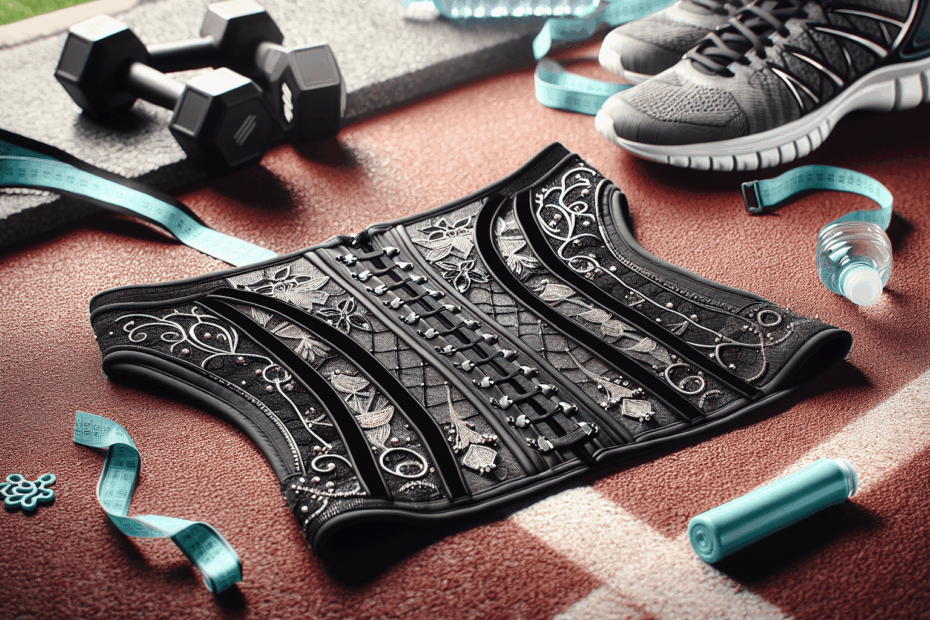
Have you ever wondered if you can wear a waist trainer while running or doing cardio? With fitness trends constantly evolving, it’s crucial to understand the implications of wearing this piece of clothing during your workouts. Let’s break it down together.
Understanding Waist Trainers
Waist trainers are designed to create an hourglass silhouette by compressing the waist and enhancing your overall figure. Popular among those looking to achieve a certain look, many people feel tempted to wear them during physical activity. However, it’s essential to examine how they impact your body, especially during high-intensity workouts.
What Is a Waist Trainer?
A waist trainer typically consists of a stretchy material that wraps around your midsection. It applies pressure to your abdomen, which some believe might help with weight loss, though scientific evidence on this issue is mixed. The main goal of a waist trainer is to provide a specific body shape rather than improve gym performance or endurance.
How Waist Trainers Work
Waist trainers compress the waist, leading to a temporary reduction in your waist size when worn. They may also lead to increased perspiration due to the heat trapped within the fabric. However, this does not equate to actual fat loss—it primarily results in water loss. It’s crucial to understand that long-term results require a combination of proper diet and exercise rather than relying solely on waist trainers.
The Safety Aspect of Running in a Waist Trainer
Before you decide to wear a waist trainer while running, it’s crucial to address the safety concerns associated with doing so. Applying external pressure to your body during cardio can lead to several issues.
Physical Discomfort
When engaging in physical activities like running, your body requires full range of motion and breathing capacity. A waist trainer may restrict your movements, leading to discomfort. You might find it harder to breathe deeply, which can affect your endurance levels and overall performance.
Potential Health Risks
Wearing a waist trainer during cardio can lead to risks such as:
- Digestive Issues: The compression may push your internal organs up and out of place, leading to digestive disturbances. Uncomfortable conditions like acid reflux may arise.
- Skin Irritation: Engaging in physical activities causes perspiration, which trapped under the waist trainer may lead to rashes or irritation on your skin.
- Restricted Blood Flow: Tight garments can potentially impede blood circulation, especially during strenuous activities.
Tips for Safe Running While Wearing a Waist Trainer
If you still wish to incorporate a waist trainer into your running routine, some precautions can help ensure your safety and comfort.
Choose the Right Size
Selecting a waist trainer that fits well is essential. Here are some key pointers:
- Never Go Too Tight: Choose a waist trainer that allows slight room for movement.
- Measure Properly: Make sure to take accurate measurements of your waist before purchasing to find the appropriate size.
Opt for Breathable Fabrics
The material of your waist trainer plays a significant role in comfort. Look for:
- Moisture-Wicking Fabric: This fabric helps to keep you dry by pulling sweat away from the skin.
- Lightweight Materials: Fabrics like spandex or cotton blends can provide better ventilation.
Limit Usage Time
Wearing a waist trainer for extended periods can lead to potential problems. Here are some tips to consider:
- Short Intervals: Consider limiting your use to short runs or workouts and gradually increase your duration as needed.
- Listen to Your Body: Pay attention to how your body feels while running with the trainer on. If you feel uncomfortable or restricted, it’s best to take it off.
Alternatives to Waist Trainers
If you’re looking for ways to enhance your fitness routine, there are alternatives to waist trainers that could be more beneficial without compromising your health.
High-Quality Compression Gear
Compression wear can offer support without significant restriction. Here’s what to consider:
- Tops and Bottoms: Compression tops can support your torso while allowing unrestricted movement, unlike waist trainers.
- Compression Leggings: These can be beneficial for your legs and help improve circulation, making them great choices for running.
Core Strengthening Exercises
Instead of relying on a waist trainer for support, focus on building your core strength. Some exercises include:
| Exercise | Description |
|---|---|
| Planks | Hold a stable position on your forearms and toes to engage all core muscles. |
| Bicycle Crunches | Lie on your back and pedal your legs while reaching across to meet your knees with your elbows. |
| Leg Raises | Lie flat and raise your legs to a 90-degree angle to strengthen your lower abs. |
Conclusion: Is It Worth It?
Ultimately, the benefits and drawbacks of wearing a waist trainer while running depend on your fitness goals and comfort. It’s essential to prioritize your health and well-being over aesthetics.
Final Thoughts
Running can offer countless benefits, from improved cardiovascular health to enhanced mood. Deciding to wear a waist trainer during your runs should be done thoughtfully. Make informed choices, consider alternatives, and always pay attention to your body’s signals. Your safety and comfort are of utmost importance while embracing your fitness journey!
With the right mindset and careful consideration, you can make the most of your running routine, with or without a waist trainer. Stay active, stay safe, and remember, there’s no one-size-fits-all approach to fitness!
Related posts:
 Waist Trainers and Their Impact on Men’s Workouts
 Waist Training: Real Transformations & Tips Before & After
 Celebrity Men and Their Waist Trainer Secrets Unveiled
 Luxury Postpartum Shapewear: Elevating Comfort and Support
Waist Trainer Workouts: Effective Moves to Tighten Your Core
Styling Waist Trainers for a Flawless Hourglass Look Day and Night
Luxury Postpartum Shapewear: Elevating Comfort and Support
Waist Trainer Workouts: Effective Moves to Tighten Your Core
Styling Waist Trainers for a Flawless Hourglass Look Day and Night
 Waist Training and Weightlifting: Exploring Their Synergy
Waist Trainers for Back Pain: Helpful or Harmful?
Waist Training and Weightlifting: Exploring Their Synergy
Waist Trainers for Back Pain: Helpful or Harmful?