

Have you ever thought about how waist training could change your body shape and boost your confidence? It’s not just for women; more men are turning to waist training as a means to achieve their fitness goals and enhance their physiques. If you’re curious about how to get started with waist training, you’ve come to the right place. This guide will walk you through everything you need to know.
What is Waist Training?
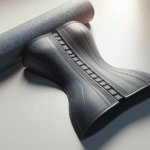
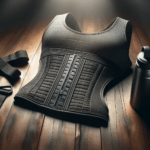
At its core, waist training involves wearing a specially designed garment—commonly known as a corset or waist trainer—to create a more defined waist. Men’s waist trainers are often designed to offer both compressive support and structure while focusing on the torso area. The ultimate goal of waist training is to help shape the body over time when used in conjunction with exercise and a healthy diet.
Why Choose Waist Training?
There are several appealing reasons to consider waist training:
- Enhanced Support: Waist trainers can provide support for your back during workouts, potentially improving your form.
- Posture Improvement: Wearing a waist trainer might help with posture by encouraging you to stand and sit up straighter.
- Body Shape Goals: If you have a specific body shape in mind, waist training can be a tool to help you work toward that look.
The Basics of Waist Training
Before you begin, it’s important to understand the key components of waist training and how it works.
Choosing the Right Waist Trainer
When selecting a waist trainer, consider the following factors:
- Material: Look for materials that are breathable and comfortable, like cotton blends, while providing the support you need.
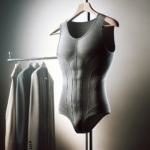
- Style: There are various styles available, from vests to traditional corsets. Pick one that suits your needs, whether you want something discreet for daily wear or robust for workouts.
- Size: Ensure you measure your waist accurately. Most brands provide sizing charts to help you choose the best fit.
How to Measure Your Waist
Measuring your waist accurately is vital for finding the right size:
- Use a flexible measuring tape.
- Stand straight and breathe out gently.
- Wrap the tape around the narrowest part of your torso, usually just above your belly button.
- Record the measurement.
Getting Started with Waist Training
Now that you have a waist trainer, let’s discuss how to incorporate it into your routine safely and effectively.
Gradual Introduction
Don’t rush into wearing your waist trainer for extended periods. Start by wearing it for about 1-2 hours a day and gradually increase the duration as your body adjusts.
Listening to Your Body
Pay attention to how your body responds. If you experience discomfort, take a break or consider adjusting the fit. Your comfort should always come first.
Pairing with Fitness and Nutrition
Waist training works best when combined with regular workouts and a healthy diet. Focus on a balanced regimen that includes:
- Cardio: Activities like running, cycling, or swimming will help burn fat and tone your body.
- Strength Training: Incorporate weightlifting or bodyweight exercises to build muscle and improve your overall physique.
- Healthy Eating: Remember that waist training isn’t a magic solution. Fuel your body with nutritious foods to support your goals.
Daily Life with a Waist Trainer
Wearing a waist trainer in your daily life can be beneficial, but it may take some adjustment. Here are a few tips to make it easier:
Comfort During Daily Activities
- Choose the Right Size: Make sure your waist trainer fits well, allowing comfortable movement.
- Layer Smartly: Wearing a tank top underneath can provide an extra layer of comfort and moisture-wicking to prevent skin irritation.
Wearing During Workouts
Incorporating waist training during workouts can add support, but it’s essential to do so safely:
- Choose the Right Type: Opt for a waist trainer designed specifically for exercise. These are often made from stretchy materials that allow for better movement.
- Monitor Your Breathing: Ensure you can breathe deeply while exercising. If your waist trainer is too tight, it can restrict your lung capacity.
Incorporating Weight Training
Weight training can benefit significantly from waist training support. Here’s how:
- Core Support: A waist trainer can give you the feeling of added core stability, making it easier to lift heavier weights.
- Form Improvement: A properly fitted waist trainer can help remind you to keep good posture throughout your lifts.
Safety Considerations in Waist Training
While waist training offers benefits, it’s essential to keep safety in mind to avoid potential issues.
Recognizing Red Flags
Be aware of the signs that your waist training routine may not be working for you:
- Breathing Issues: If you find it hard to breathe normally, loosen or remove the waist trainer.
- Discomfort: You shouldn’t feel persistent pain. Adjust the fit, or consult with a medical professional if needed.
- Skin Irritation: Always check for any rashes or irritation after wearing your waist trainer. If it occurs, it’s time to reassess your choice of garment.
Consult a Professional
If you’re unsure about whether waist training is right for you, consider consulting a healthcare professional or a certified personal trainer for personalized advice. They can help guide you in incorporating waist training into your fitness routine safely.
Waist Training Myths Debunked
With any trend, myths tend to arise. Here are some common misconceptions about waist training for men:
Myth 1: It’s a Quick Fix
While waist training can help shape your waist over time, it’s not a substitute for a healthy lifestyle. There’s no replacement for exercise and balanced nutrition.
Myth 2: Only Women Can Waist Train
Waist training is for everyone! More men are seeking body shape goals and using waist trainers to aid their efforts.
Myth 3: You’ll Lose Weight Instantly
Weight loss is a gradual process. Waist training can help enhance your body shape, but sustainable weight loss results come from a combination of healthy eating and exercise.
Maintaining Your Waist Trainer
Taking care of your waist trainer is crucial to ensure it lasts long and performs well.
Washing and Care Instructions
- Hand Wash: Aim to hand wash your waist trainer with a mild detergent to preserve its elasticity. Machine washing can be too harsh.
- Air Dry: Lay it flat to air dry instead of using heat sources, which can damage the material.
Storage Tips
- Keep it in a Cool, Dry Place: Avoid storing your waist trainer in humid environments, which can affect the material over time.
- Avoid Folding: If possible, hang it up rather than folding it to maintain its shape.
Advanced Waist Training Techniques
Once you feel comfortable with the basics of waist training, you might want to consider some advanced techniques and strategies to maximize your results.
Incorporating Fasting Protocols
Some people find that combining waist training with intermittent fasting can enhance their waist training results. If you decide to explore this avenue, make sure to do thorough research or consult a professional to ensure it aligns with your health needs.
Waist Training with Adjustable Trainers
Consider using adjustable waist trainers that allow for gradual tightening. This type can ease you into more intensive training over time, giving your body a chance to adapt.
Staying Motivated
Waist training can be challenging, especially when results take time to manifest. Motivation is crucial for maintaining your commitment.
Setting Realistic Goals
Set achievable short-term and long-term goals related to both your waist training journey and overall fitness. Celebrate small accomplishments to help keep you motivated.
Tracking Progress
Consider taking regular measurements or photos to document your progress over time. It can be encouraging to see how far you’ve come.
Conclusion
Waist training for men can be an effective tool to help you achieve your body goals when approached thoughtfully and safely. By integrating good practices into your routine, you can enjoy the benefits of improved support, posture, and confidence. Remember, it’s not just about the waist trainer itself—combining it with fitness and healthy habits is key to seeing meaningful results. Stay patient on your journey, listen to your body, and soon, you’ll be on your way to achieving your desired look!
Related posts:
 Men’s Shapewear vs. Waist Trainers: Understanding the Key Differences
 How to Choose the Right Size for Postpartum Shapewear
 Can Waist Trainers Improve Men’s Posture?
 Maximize Your Results: Best Exercises to Pair with a Men’s Waist Trainer
 The Best Fabrics for Maximum Comfort with a Waist Trainer
 Celebrity Men and Their Waist Trainer Secrets Unveiled
 The Best Postpartum Shapewear for a Comfortable Recovery
How Long Should You Wear Postpartum Shapewear Effectively?
The Best Postpartum Shapewear for a Comfortable Recovery
How Long Should You Wear Postpartum Shapewear Effectively?