
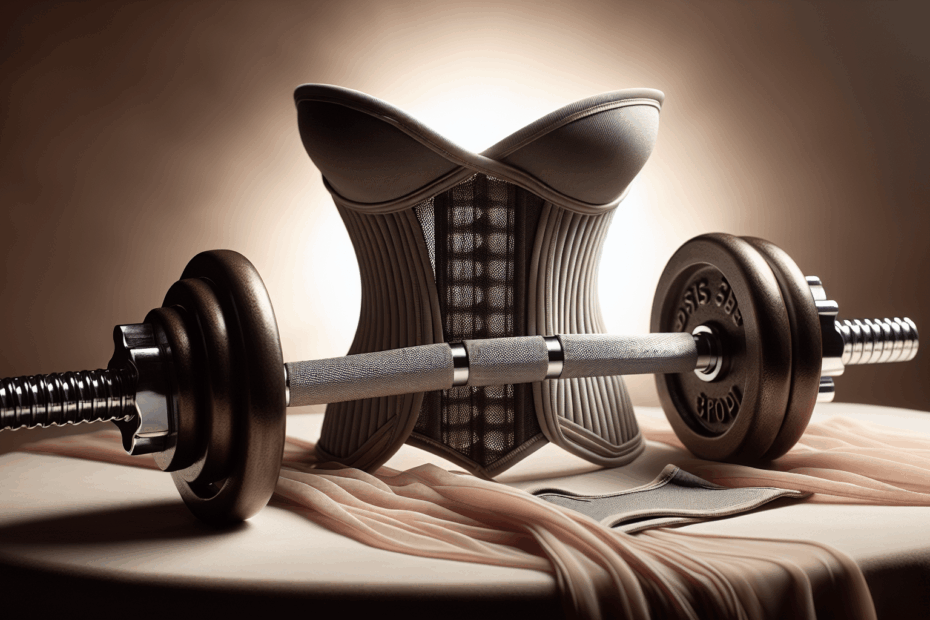
Have you ever wondered how waist training and weightlifting can complement each other? Many individuals are curious about how these two fitness trends can work together to enhance their body goals. If you’re interested in sculpting your waistline while building strength, you’re in the right place. Let’s break down the concepts of waist training and weightlifting, and see how they can support each other on your fitness journey.
Understanding Waist Training
Waist training is a practice that involves using a corset or a waist trainer to create the illusion of a smaller waist. This technique has ancient roots but has gained modern popularity through social media and celebrity endorsements. While the aesthetics of waist training are often emphasized, it’s essential to understand how it actually works.
The Goal of Waist Training
The primary goal of waist training is to achieve a more hourglass figure. This is done by compressing the waist with a waist trainer, which can lead to temporary changes in body shape. Beyond aesthetics, some individuals use waist training to promote better posture or support while exercising.
How Waist Training Works
When you wear a waist trainer, the compression on your torso can cause your body to sweat more in that area. This can lead to a short-term reduction in water weight and potentially help accentuate your waist. However, it is crucial to remember that the visual results may not be permanent and should be coupled with a healthy diet and regular exercise.
Safety Considerations
Before starting waist training, it’s wise to consider your comfort and safety. There are a few things to keep in mind:
-
Avoid Excessive Tightness: A waist trainer should fit snugly, but it shouldn’t be painfully tight. Too much pressure can lead to breathing difficulties and other health issues.
-
Limit Wearing Time: It’s recommended to start by wearing a waist trainer for a couple of hours a day and gradually increase the duration as your body adjusts.
-
Listen to Your Body: If you experience discomfort, it may be a signal to remove the waist trainer. Always prioritize your health and comfort.
Understanding Weightlifting
Weightlifting involves the use of weights for resistance training and is a popular method for building muscle, strength, and overall fitness. Unlike waist training, which primarily focuses on aesthetics, weightlifting has tangible physical benefits.
Benefits of Weightlifting
Weightlifting offers numerous advantages that cater to a wide range of fitness goals. Here are a few key benefits:
-
Increased Muscle Mass: Lifting weights helps in building lean muscle, which can boost your metabolism and help with fat loss.
-
Improved Bone Health: Regular weightlifting strengthens bones, reducing the risk of osteoporosis as you age.
-
Enhanced Functional Fitness: The strength gained from weightlifting can improve everyday activities, making everyday tasks easier.
Basics of Weightlifting
If you’re new to weightlifting, here are some basic principles to consider:
-
Start with Proper Form: Learning the correct lifting techniques is paramount to avoid injury and maximize effectiveness.
-
Incorporate Compound Movements: Exercises like squats, deadlifts, and bench presses activate multiple muscle groups and can lead to greater strength gains.
-
Progress Gradually: Increasing weight or intensity should be done gradually. Listen to your body and give yourself time to adjust.
The Synergy Between Waist Training and Weightlifting
Now that you have a solid understanding of waist training and weightlifting, let’s explore how these two practices can complement each other on your fitness journey.
Enhancing Aesthetics with Core Strength
One way that waist training and weightlifting can work together is through strength training’s role in enhancing core stability. A strong core not only aids in lifting heavier but can also create better posture and balance, which are important when wearing a waist trainer.
-
Core Muscles Defined: The core comprises important muscle groups, including the rectus abdominis, obliques, and transverse abdominis. These muscles help support your spine and stabilize your body when performing weightlifting exercises.
-
Waist Training Impact: By wearing a waist trainer during your workouts, some individuals feel more supported, enabling them to engage their core more effectively. However, it’s essential to avoid over-reliance on a waist trainer while lifting, as it can lead to improper muscle engagement.
Creating a Balanced Approach
For those who wish to combine waist training with weightlifting, it’s crucial to approach both practices with balance and moderation.
-
Mixing Techniques: You can integrate waist training by wearing a trainer for shorter periods, ensuring you maintain flexibility and a full range of motion while lifting weights.
-
Listening to Your Body: Monitoring how your body responds to both waist training and weightlifting is vital. If you notice signs of discomfort or fatigue, adjust your approach accordingly.
Setting Realistic Goals
Understanding your fitness goals can help you create a routine that incorporates both waist training and weightlifting effectively. Here are some pointers:
-
Focus on Strength First: Consider prioritizing strength training initially. Building a strong foundation can enhance your ability to engage in waist training later on.
-
Track Progress: Keep a journal or log of your workouts and waist training sessions. This can help you assess how each practice affects your body and overall fitness journey.
Potential Risks and Considerations
While combining waist training and weightlifting can offer benefits, it’s essential to be aware of potential risks involved with both practices.
Risks of Waist Training
-
Overreliance: Prolonged or excessive use of waist trainers may lead to reliance on the garment for support rather than developing natural core strength.
-
Discomfort or Injury: Wearing a waist trainer while weightlifting can lead to discomfort or even injury if not properly fitted or if excessive force is applied.
Risks of Weightlifting
-
Improper Form: Lifting weights with improper technique can lead to injuries, particularly in the back and joints.
-
Overtraining: Engaging in intense weightlifting without adequate rest can lead to exhaustion or burnout. Balance is critical.
Tips for Combining Waist Training and Weightlifting
If you’re ready to integrate waist training into your weightlifting routine, here are some friendly tips to help you navigate both practices safely and effectively.
Start Slowly
Begin by introducing waist training into your routine gradually. For example, you might wear it for 30 minutes to an hour during your weight training sessions and assess how your body reacts.
Focus on Core Workouts
Incorporating exercises that target your core can enhance the benefits of both practices. Here’s a simple workout plan that you can follow:
| Exercise | Sets | Reps |
|---|---|---|
| Plank | 3 | 30-60 sec |
| Bicycle Crunches | 3 | 15-20 |
| Russian Twists | 3 | 15-20 |
| Side Plank | 3 | 30 sec each side |
| Deadlifts | 3 | 10-12 |
This routine focuses on building core strength, which is essential for both waist training and effective lifting.
Maintain Proper Hydration
Staying hydrated is crucial, especially since waist training can lead to increased sweating. Be sure to drink plenty of water before, during, and after your workouts to stay hydrated.
Monitor Your Body’s Response
Pay close attention to how your body feels during and after workouts. If you experience any pain or discomfort, consider adjusting your waist training duration or lifting technique.
Mindset Matters
Combining waist training and weightlifting isn’t just about physical changes; it’s also a mental journey. Here’s how you can foster a positive mindset throughout this process:
Set Personal Goals
Before you embark on this combined journey, take some time to set personal and achievable goals. This could range from strength milestones to aesthetic goals, and they should be realistic and meaningful to you.
Celebrate Small Victories
Fitness is a journey filled with ups and downs. Whether it’s lifting heavier weights or noticing a change in your waistline, acknowledging and celebrating your achievements can help keep you motivated.
Stay Flexible
Your body will change and adapt over time. Staying flexible in your approach and being open to changes will help you navigate challenges while still making progress toward your goals.
Seeking Professional Guidance
If you’re serious about combining waist training and weightlifting, consulting with fitness professionals can be a great benefit.
Personal Trainers
A personal trainer can help ensure you use proper lifting techniques while guiding you on how to integrate waist training safely into your routine. They can develop a specialized workout plan tailored to your fitness goals.
Physiotherapists
For those who have pre-existing conditions or injuries, consulting with a physiotherapist can provide insights tailored to your specific needs. They can advise on safe practices and modifications.
In Conclusion
Combining waist training and weightlifting can be a powerful approach to achieving your fitness goals if done correctly. Understanding the purpose and benefits of both practices is key to finding a balance that works for you. As you embark on this journey, empower yourself with knowledge, listen to your body, and don’t hesitate to seek support when needed. Remember, your health and well-being are paramount on this adventure—embrace the synergy of both practices, and enjoy the journey toward your best self!
Related posts:
 Waist Training: Real Transformations & Tips Before & After
 The Ultimate Guide to Men’s Waist Trainers: Unveiling the Benefits and Sizing Techniques
 The Best Postpartum Shapewear for Effective Weight Loss After Pregnancy
Why Every New Mom Should Consider Postpartum Shapewear
The Best Postpartum Shapewear for Effective Weight Loss After Pregnancy
Why Every New Mom Should Consider Postpartum Shapewear
 Celebrity Men and Their Waist Trainer Secrets Unveiled
Men’s Waist Trainers for Weight Loss: Myth or Reality?
Celebrity Men and Their Waist Trainer Secrets Unveiled
Men’s Waist Trainers for Weight Loss: Myth or Reality?
 Breathing Exercises to Enhance Waist Training Results
How Waist Training Can Enhance Your Confidence and Mental Health
Breathing Exercises to Enhance Waist Training Results
How Waist Training Can Enhance Your Confidence and Mental Health