
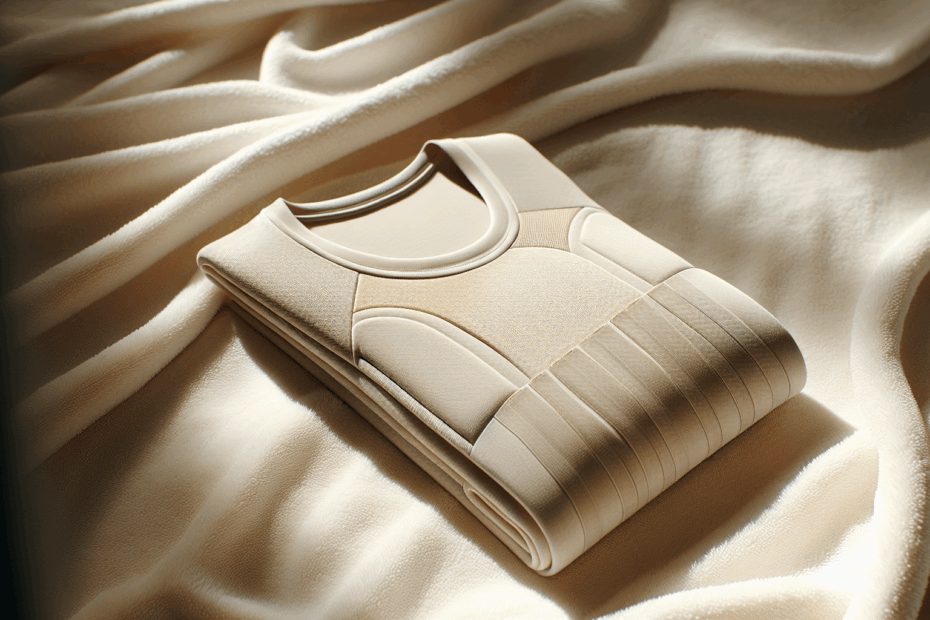
Have you ever wondered how post-surgery shapewear can impact your recovery? If you’ve recently undergone surgery, particularly a procedure like liposuction, you might be curious about the role of compression garments. Let’s take a closer look at these specialized garments and how they contribute to your recovery journey.
Understanding the Importance of Compression Garments
Compression garments are pivotal in your post-surgical recovery. They are specifically designed to apply pressure to certain areas of your body where surgery has occurred. The primary aim is to enhance circulation, reduce swelling, and promote more efficient healing.
You might be thinking, “Why do I need these garments?” Wearing them can make a significant difference in your overall recovery experience. Not only do they help in reducing discomfort, but they also assist in contouring your body post-procedure.
How Do Compression Garments Work?
Compression garments work by exerting a uniform pressure across the targeted areas, which can help the body heal more efficiently. Here’s a breakdown:
- Stabilization: They help to stabilize the skin and tissue, preventing it from moving too much during the healing process.
- Fluid Reduction: By exerting pressure, these garments help to minimize the buildup of fluid, which can lead to swelling. Less swelling often equates to a quicker recovery.
- Enhanced Blood Circulation: The compression increases blood flow to the area. Improved circulation enhances your body’s ability to heal itself.
Types of Post-Surgery Shapewear
When it comes to post-surgery shapewear, variety is key. Different types of compression garments are tailored for specific procedures, and choosing the right one is crucial. Below are some common types:
| Type | Description |
|---|---|
| Surgical Bodysuits | Cover the entire body, providing uniform compression. Ideal for liposuction. |
| Abdominal Binders | Focused on the abdominal area, excellent for tummy tucks or abdominal surgeries. |
| Arm Compression Sleeves | Designed to reduce swelling in the arms, beneficial post-brachioplasty. |
| Thigh Shapers | Specifically for thigh liposuction, providing targeted support. |
Choosing the correct type of garment can significantly impact the effectiveness of your recovery. Be sure to consult with your healthcare provider about which option suits your needs best.
Benefits of Wearing Post-Surgery Shapewear
Investing in post-surgery shapewear comes with numerous benefits. Each garment is crafted to support you through your recovery while also maximizing the aesthetic results of your surgery.
Reduces Post-Operative Swelling and Bruising
Post-surgery swelling is a common occurrence. Compression garments are particularly effective at managing swelling and bruising. By providing support to the affected area, these garments can help your body to reabsorb fluids more rapidly, leading to a smoother recovery process.
Supports Skin and Tissue Healing
Skin and tissue require support during the healing process. Compression garments help in maintaining the position of your skin over the underlying tissues. This support can prevent skin laxity and help your recovery progress as expected.
Improves Comfort During Recovery
Let’s face it, recovering from surgery can be uncomfortable. Many people experience soreness and tenderness in the areas where surgery was performed. Wearing compression garments can provide a layer of comfort, acting much like a gentle hug around your body, which can alleviate some of that discomfort.
Aids in Body Contouring
One of the added benefits of compression garments is their ability to assist in body contouring. After surgeries like liposuction, wearing these garments can help to smooth out your results. They assist in holding everything in place while helping to eliminate any irregularities in your shape.
When Should You Start Wearing Post-Surgery Shapewear?
Timing can be crucial when it comes to wearing compression garments. Most medical professionals recommend starting to wear them as soon as possible after your surgery. This immediate use can help control swelling and support your healing journey from day one.
Guidelines for Wearing Compression Garments
To maximize the benefits, consider these guidelines:
- Follow Doctor’s Orders: Always adhere to the recommendations of your surgeon. They may provide specific instructions tailored to your individual recovery.
- Wear Consistently: The more consistently you wear the garment, the more effective it will be. Many professionals suggest wearing it 24/7 for the initial weeks.
- Check for Comfort: While the garment should fit snugly, it should not cause discomfort. If you experience pain or significant discomfort, consult your healthcare provider.
How Long Should You Wear Compression Garments?
The duration for wearing compression garments varies depending on the type of surgery and individual healing processes. Generally, you can expect to wear them for anywhere from a few weeks to several months.
General Timeline
Here’s a quick overview of how long you might need to wear them based on different surgeries:
| Type of Surgery | Typical Duration of Use |
|---|---|
| Liposuction | 4 to 6 weeks |
| Abdominoplasty (Tummy Tuck) | 6 to 8 weeks |
| Body Lift | 8 to 12 weeks |
| Arm Lift | 4 to 6 weeks |
Your specific circumstances may result in a different timeline, so it’s always wise to consult your surgeon.
Choosing the Right Compression Garment
Selecting the right compression garment can make a world of difference in your recovery. Here are some factors to consider.
Fit and Size
Compression garments come in various sizes, and selecting the right fit is crucial. A garment that is too tight may cause discomfort and could even hinder your recovery. On the other hand, one that is too loose may not provide the necessary support.
Material Matters
Look for garments made from breathable fabrics. You’ll want something that is soft against your skin to prevent irritation. Many modern compression garments are made from moisture-wicking materials, which can help keep you comfortable as you heal.
Style and Design
Depending on your surgery, you’ll have different styles to choose from. Whether you prefer a bodysuit or a high-waisted garment, find one that makes you feel comfortable and confident. Some styles are designed to be discreet under clothing, while others, like bodysuits, offer full coverage.
The Cost of Compression Garments
It’s essential to factor in the financial aspect of your recovery. Compression garments can vary substantially in price, but investing in a high-quality garment can pay off in terms of comfort and effectiveness.
Price Ranges
Generally, you may find that compression garments can range from $30 to over $200, depending on the type, style, and brand.
| Compression Garment Type | Price Range |
|---|---|
| Basic Compression Garment | $30 – $80 |
| Mid-Range Options | $80 – $150 |
| Premium Options | $150 and up |
Insurance coverage is another point to consider. Some plans may cover the cost of your garment as part of your surgical expenses, so it’s worthwhile to check with your provider.
The Science Behind Compression Therapy
Understanding the science behind compression therapy can help you appreciate its importance in your recovery process. Let’s break it down.
The Physiological Impacts
When you wear a compression garment, it exerts pressure on the underlying tissues. This pressure affects various physiological processes:
- Lymphatic Drainage: Enhanced lymphatic function helps in the removal of excess fluids and waste from the tissue.
- Reduced Blood Clots: The increased circulation can prevent the risk of blood clots, which can be a concern post-surgery.
- Pain Management: Compression therapy aids in pain management by reducing swelling and the sensation of pressure on nerves.
Research and Studies
Numerous studies support the benefits of wearing compression garments post-surgery. For example, a study on liposuction patients found that those who wore compression garments experienced lower levels of swelling and reported a significantly reduced level of discomfort.
Lifestyle Adjustments During Recovery
While compression garments play a fundamental role in your recovery, some lifestyle adjustments can further enhance your healing process. Here are some tips.
Stay Hydrated
Drinking plenty of water helps to flush out toxins and reduces swelling. Hydration also supports skin elasticity, which can aid in the overall healing process.
Nutrition is Key
Focusing on a healthy diet rich in vitamins, minerals, and protein can accelerate your recovery. Foods with high protein levels are particularly beneficial, as they promote tissue repair.
Light Activity
Once you get the go-ahead from your doctor, incorporate light activities like walking into your routine. Walking helps stimulate circulation without straining your body. Always listen to your body and avoid any strenuous exercise until you’re fully healed.
Can Compression Garments Aid in Weight Loss After Liposuction?
If you’re considering liposuction and wondering about weight loss, you might be curious about the role of compression garments in this process. While they won’t directly cause weight loss, they can aid in achieving a sleeker appearance post-procedure.
The Role of Compression in Body Contouring
Compression garments help to smooth the results of liposuction, leading to a more contoured body. When your body heals properly, you may experience a more aesthetically pleasing outcome. It’s important to note, however, that maintaining a healthy lifestyle is crucial for long-term results.
Emotional Well-Being
Feeling good about your appearance can boost your confidence. Compression garments can help you feel more comfortable in your skin as you recover, which can positively impact your emotional health and overall well-being.
Can You Wear Compression Garments After Regular Exercise?
You may be wondering if it’s beneficial to wear compression garments during regular exercise, especially after undergoing surgery. The short answer is yes, they can provide support.
Benefits of Wearing Compression During Exercise
- Increased Performance: Many athletes wear compression garments as they believe it can improve overall performance by enhancing blood circulation.
- Reduced Muscle Soreness: Some studies suggest that wearing compression can lead to less muscle soreness post-exercise, which may be beneficial for your long-term recovery.
However, if you’ve just completed surgery, ensure that you only engage in light exercise and consult with your doctor.
Conclusion: Your Journey to Recovery
Recovering from surgery is a process that requires patience and care. Using compression garments can support your journey toward healing and body contouring effectively. They help manage swelling, support tissue healing, and improve your overall comfort during recovery.
As you embark on this journey, remember to follow your healthcare provider’s advice and make lifestyle adjustments that promote healing. With the right support and a positive mindset, you can look forward to a smoother recovery and better results.
Now that you’re equipped with the knowledge about post-surgery shapewear and its important role in recovery, you’re one step closer to making informed decisions that benefit your health and appearance. Here’s to a comfortable and successful recovery!
Related posts:
 Doctors’ Advice on the Safety and Effectiveness of Postpartum Shapewear
Combining Shapewear and Exercise for Effective Weight Loss
Doctors’ Advice on the Safety and Effectiveness of Postpartum Shapewear
Combining Shapewear and Exercise for Effective Weight Loss
 YIANNA Fajas Colombianas Review
Luxury Postpartum Shapewear: Elevating Comfort and Support
Can Shapewear Really Help with Weight Loss? The Truth Revealed
Shapewear vs. Waist Trainers: A Comparison for Weight Loss
YIANNA Fajas Colombianas Review
Luxury Postpartum Shapewear: Elevating Comfort and Support
Can Shapewear Really Help with Weight Loss? The Truth Revealed
Shapewear vs. Waist Trainers: A Comparison for Weight Loss
 How to Use Shapewear for Effective Weight Loss Results
How Long Should You Wear Shapewear for Effective Weight Loss?
How to Use Shapewear for Effective Weight Loss Results
How Long Should You Wear Shapewear for Effective Weight Loss?