
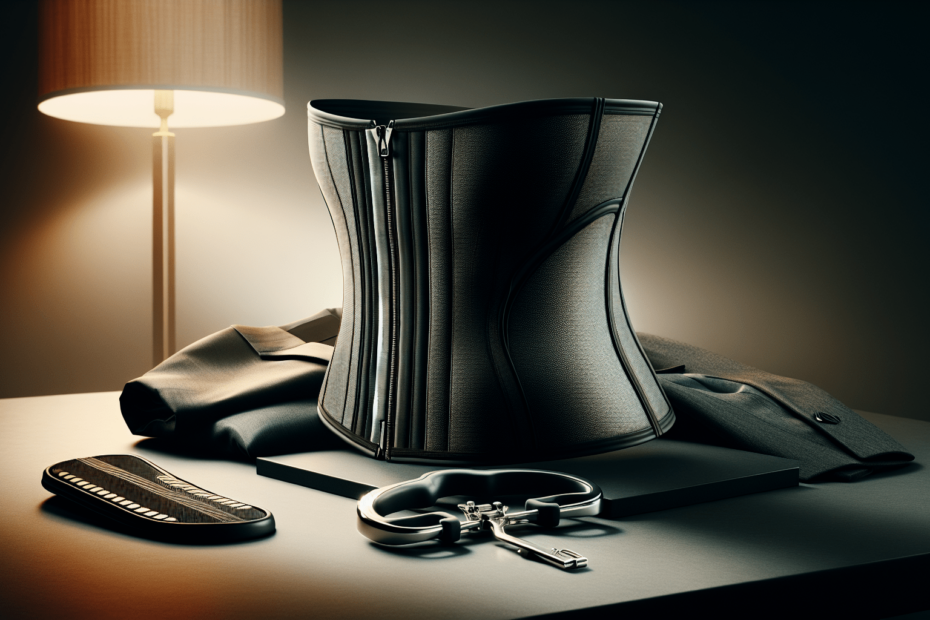
Have you ever wondered if waist trainers are the magic solution to achieve a slimmer look or if they are simply a fleeting trend? As you navigate through the vast world of fitness and body shaping, it’s easy to get lost amidst the myriad of products claiming to transform your physique. Men’s waist trainers have gained popularity, but what does the science say about their effectiveness? Let’s unpack everything you need to know about waist trainers, their potential benefits, and the science behind them.
What Are Men’s Waist Trainers?
Waist trainers are form-fitting garments designed to compress the midsection and create an hourglass silhouette. Often made from materials like latex or spandex, these trainers are typically worn over clothing or directly against the skin. While initially marketed towards women, men’s waist trainers have emerged as a popular option for those looking to trim their waistlines.
The Anatomy of a Waist Trainer
Understanding the construction of waist trainers helps clarify how they aim to shape your body. Here are common components:
| Component | Function |
|---|---|
| Material | Flexible yet compressing fabrics like latex or spandex. |
| Boning | Rigid strips that provide structure and support. |
| Closure | Zippers, hooks, or Velcro to secure the garment. |
| Design | Tailored fit to shape the torso and waist effectively. |
Now that you’ve got a grasp of what waist trainers are, let’s see how they work in practice.
How Do Waist Trainers Work?
The primary function of a waist trainer is compression. By tightly hugging your midsection, this garment is believed to encourage sweating and enhance your workout by providing additional support.
Compression and Body Shaping
When you wear a waist trainer, the snugness can induce a feeling of support around your core. This may help improve your posture and encourage you to maintain a more upright stance during physical activities, which might lead to a more refined appearance over time.
Increased Sweating
Wearing a waist trainer during workouts can elevate body temperature in the midsection. As a result, you might experience increased sweating in that area, which can temporarily reduce water weight. However, it’s crucial to remember that this does not lead to long-term fat loss; the weight lost from sweating is mostly water weight, which will return once you rehydrate.
The Science Behind Waist Training
The effectiveness of waist trainers isn’t solely anecdotal; there’s a bit of science that adds weight to this discussion. Let’s break it down.
Studying the Impact on Body Shape
Several studies have aimed to assess the impact of garment-based body shaping. While research focused specifically on men’s waist trainers is limited, there are insights from women’s shapewear that can be applied.
-
Immediate Effects on Appearance: Many users report an immediate change in their waistline when wearing trainers. Research suggests that compressing your waist can enhance short-term aesthetic appeal without modifying body fat.
-
Long-Term Effects on Metabolism: Some believe that wearing waist trainers can speed up metabolism, but the evidence remains inconclusive. A few studies suggest that constraining the abdomen can affect digestion and potentially lead to unwanted side effects.
Risks and Concerns
While waist trainers may seem appealing, there are potential risks you should be aware of:
- Breathing Difficulties: Prolonged use can lead to restricted lung capacity, making it harder to breathe, especially during exercise.
- Gastrointestinal Issues: Some individuals experience increased acid reflux or other digestive challenges due to compression.
- Muscle Weakness: Long-term use could weaken core muscles as they become reliant on external support.
Understanding the pros and cons is vital to making an informed choice.
Does Waist Training Promote Weight Loss?
The question lingers: can waist training facilitate weight loss? Let’s analyze this topic next.
Temporary vs. Permanent Changes
Waist trainers can create the illusion of a slimmer waist, but that’s mostly temporary. Wearing one during workouts will promote sweating, leading to short-term weight loss from water loss. However, it’s essential to note that this doesn’t contribute to fat loss.
Changing Body Composition
Some advocates of waist trainers argue that consistent use can lead to permanent changes in body shape. However, without a robust exercise routine and healthy eating habits, relying solely on waist trainers is unlikely to yield substantial results in body composition.
| Claim | Reality |
|---|---|
| Waist training leads to permanent waist size reduction | Not supported by substantial evidence; may only provide temporary results. |
| Waist trainers enhance fat burning | Sweating does not translate to fat loss; the loss is primarily water weight. |
Can Waist Trainers Replace a Healthy Lifestyle?
Waist trainers might seem like a shortcut to the body you desire, but they should never be viewed as a replacement for a balanced diet and regular exercise.
The Importance of Nutrition
If you aim to lose weight or reshape your body effectively, a proper diet is crucial. Instead of focusing solely on body-shaping garments, consider investing your time in meal planning and healthy eating habits.
Key Nutritional Components
Here’s a brief outline of nutrients essential for those embarking on a fitness journey:
| Nutrient | Function |
|---|---|
| Protein | Supports muscle repair and growth. |
| Fiber | Aids digestion and helps maintain satiety. |
| Healthy Fats | Vital for hormone production and overall health. |
| Vitamins & Minerals | Boosts body functionality and supports immune health. |
Exercise Regimen
Incorporating strength training into your routine can enhance your results when combined with waist training. Resistance exercises coupled with cardiovascular workouts can help in achieving effective fat loss and toning.
User Testimonials: Experiences with Waist Trainers
Listening to those who have tried waist trainers can provide valuable insights. Here are some common experiences shared by users:
Positive Feedback
Many users report feeling motivated to maintain a proper posture and adopt healthier habits while wearing a waist trainer. Some find that it serves as a physical reminder to stay disciplined about their diet and exercise.
Negative Experiences
Conversely, some users have found waist trainers uncomfortable, leading to irritations or difficulties breathing during workouts. Common feedback warns against long wear: many suggest using trainers only during specific occasions or workouts.
Wrap-Up: Should You Try a Waist Trainer?
Ultimately, deciding whether a men’s waist trainer is right for you depends on your personal fitness goals. They can offer a temporary aesthetic boost and support during workouts, but they shouldn’t replace healthy lifestyle habits.
Final Thoughts
Waist trainers can serve as a motivational tool in your fitness arsenal, but always prioritize your health and well-being over superficial results. If you choose to integrate waist trainers into your regimen, do so mindfully and complement them with healthy eating and regular exercise.
Concluding Remarks
As you venture into the world of body shaping, make informed decisions that align with your long-term health goals. While waist trainers can enhance your appearance temporarily, the pathway to a healthier you lies in a balanced lifestyle. Whether or not you incorporate waist trainers into your routine, commit to supporting your body through nutritious food and active living.
By striking a balance between enhancement tools and healthy living practices, you’ll be well on your way to achieving the results you desire in a safe and sustainable manner. Remember, the journey to a healthier you is a marathon, not a sprint.
Related posts:
 Men’s Shapewear vs. Waist Trainers: Understanding the Key Differences
 How to Choose the Right Men’s Waist Trainer for Your Body Type
 Surprising Trends in Celebrities and Athletes Who Wear Men’s Waist Trainers
 The Best Postpartum Shapewear for Effective Weight Loss After Pregnancy
 Shapewear for Men: Boosting Confidence and Enhancing Body Image
The Ultimate Guide to Men’s Waist Trainers: Unveiling the Benefits and Sizing Techniques
Can Shapewear Really Help with Weight Loss? The Truth Revealed
Shapewear for Men: Boosting Confidence and Enhancing Body Image
The Ultimate Guide to Men’s Waist Trainers: Unveiling the Benefits and Sizing Techniques
Can Shapewear Really Help with Weight Loss? The Truth Revealed
 Best Men’s Shapewear for Comfort and Style